Table of Contents
- The Calm Before the Fury: Morning of September 29, 2009
- The Invisible Threat Beneath: Geological Underpinnings of the Tsunami
- Tonga and Samoa: The Heartbeat of the South Pacific
- The Moment the Sea Turned Angry: Sequence of Events on That Fateful Day
- The Warning Whisper: Early Signs and Alert Systems at Play
- The Wave’s Arrival: Eyewitness Accounts and Immediate Impact
- Nature’s Fury Unleashed: The Extent of Devastation Across Communities
- The Human Face of Disaster: Stories of Survival and Loss
- Emergency Response: Local, Regional, and International Efforts
- The Role of Science and Technology in Understanding the Tsunami
- Cultural Resilience: How Tradition Shaped Recovery Efforts
- Political Aftershocks: Governance and Disaster Management in Focus
- Economic Ripples: The Tsunami’s Toll on Livelihood and Infrastructure
- Environmental Consequences: Coastal Landscapes Transformed
- Tides of Memory: How Tonga and Samoa Remember 2009
- Lessons Learned: Strengthening Preparedness in the Pacific
- The Broader Tsunami Threat: A Pacific-wide Perspective
- Scientific Advances Sparked by the 2009 Tonga–Samoa Tsunami
- Personal Testimonies: Voices from Survivors Two Decades On
- The Global Community’s Role: Aid, Solidarity, and Cooperation
- From Tragedy to Hope: Stories of Rebuilding and Renewal
- Conclusion: The Enduring Legacy of the 2009 South Pacific Tsunami
- FAQs: Understanding the Tonga–Samoa Tsunami
- External Resource
- Internal Link
The South Pacific, on the morning of September 29, 2009, wore the serene mask of paradise—palm trees swaying gently, turquoise waters lapping softly at sun-kissed shores, and communities going about daily life, shielded by the comfort of routine and tradition. Then, without warning, the earth beneath these island nations heaved violently, awakening an ancient fury that would sweep across the waves faster than any could conceive. The Tonga–Samoa tsunami was born—not merely a natural disaster but a moment that etched itself into the collective soul of the region and the world. This is the story of that day, the causes, the devastation, and the resilient spirit that followed.
1. The Calm Before the Fury: Morning of September 29, 2009
It was just another morning in the South Pacific archipelagoes of Tonga and Samoa. Fishing boats drifted lazily on the horizon, markets bustled with the vibrant colors of tropical fruits, and children prepared for school. The sun hung high, promising an ordinary day. Yet beneath the placid ocean surface, tectonic plates were grinding, preparing to unleash sudden chaos. Witnesses recall the eerie stillness just moments before—the kind that fills the lungs with apprehension but cannot quite grasp the impending catastrophe.
2. The Invisible Threat Beneath: Geological Underpinnings of the Tsunami
Beneath the shimmering waters lies one of Earth’s most volatile geological theaters—the interaction of the Pacific Plate and the Indo-Australian Plate. The Tonga Trench, one of the deepest oceanic trenches on the planet, marks a subduction zone where intense stress accumulates over centuries. On that September morning, a powerful undersea earthquake clocked at magnitude 8.1 ruptured the seafloor south of Samoa. The sudden displacement generated a massive tsunami that radiated outward, touching islands hundreds of kilometers away.
“The earth cried out silently,” says Dr. Moana Latu, a regional volcanologist, “because these submarine earthquakes slip without warning, shaking the ocean like a giant’s fist.”
This earthquake was not an anomaly; the region is part of the so-called “Ring of Fire” and has historically been prone to seismic tremors and tsunamis. Yet the velocity and height of the waves on September 29 surprised many.
3. Tonga and Samoa: The Heartbeat of the South Pacific
The people of Tonga and Samoa are deeply connected to the ocean—a source of life, culture, and identity. Samoan and Tongan societies are bound by strong familial ties, communal values, and oral histories that speak of the sea’s gifts and dangers alike. Fishing, farming, and traditional navigation punctuate everyday existence.
In this tightly knit community landscape, the ocean’s sudden violence was not just a natural hazard; it was a test of social fabric and survival.
4. The Moment the Sea Turned Angry: Sequence of Events on That Fateful Day
At exactly 6:48 am local time, the seismic rupture occurred. Within minutes, tsunami detection buoys recorded abnormal sea level changes. However, these signals took hours to translate into warnings for local populations, in part due to communication challenges across remote island networks.
By 7:15 am, the first waves hit southern coasts of Samoa, reaching heights up to 4 meters in some locations. Coastal villages along the island of Upolu, like Lalomanu, were hit hardest. Tonga’s Niuatoputapu Island bore the brunt less than an hour later, where waves overwhelmed the settlements.
The terrifying speed and unpredictability left little time for evacuation, and in some places, residents watched in horror as the ocean first withdrew—a deceptive calm before the wave’s onslaught.
5. The Warning Whisper: Early Signs and Alert Systems at Play
Despite decades of knowledge about tsunamis, alert systems in the South Pacific in 2009 were still developing. Regional tsunami warning centers, headquartered in Hawaii and other Pacific nations, faced infrastructural limitations.
Local villagers often relied on traditional knowledge—signs of receding water or animal behavior—to sense danger. Yet this knowledge was insufficient against the tsunami's suddenness.
Officials scrambled to send alerts via radio broadcasts and mobile phones, but time was against them—an agonizing reminder of the gaps between science and community protection.
6. The Wave’s Arrival: Eyewitness Accounts and Immediate Impact
“We heard the ocean pull back like it was breathing, and then the roar came,” recalls Fai Fetu, a fisherman from Niuatoputapu. “The wave hit the shore like a wall—trees uprooted, homes torn apart.”
Survivors describe debris-choked waters, flying roof panels, and frantic rescues in murky, turbulent seas. Entire communities were swept away, leaving devastation that was both physical and emotional.
7. Nature’s Fury Unleashed: The Extent of Devastation Across Communities
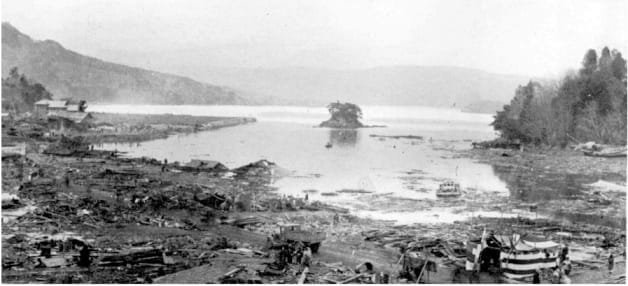
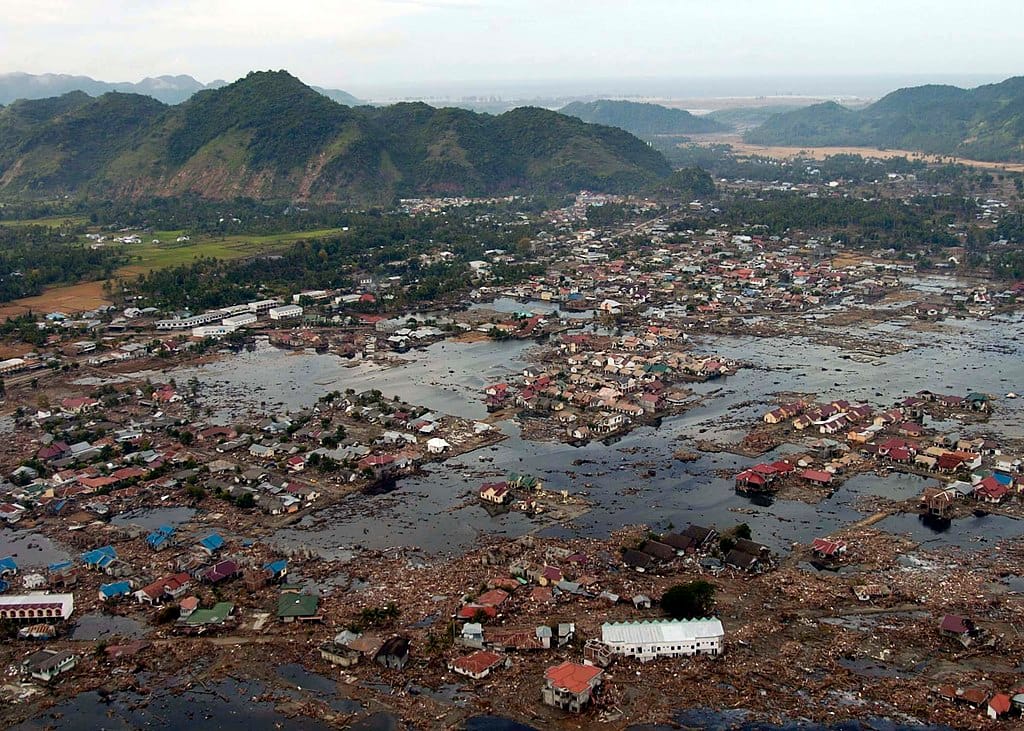
The tsunami claimed 192 lives across Samoa, American Samoa, and Tonga, with Tonga's Niuatoputapu island suffering staggering losses—over 160 deaths and massive destruction of property. Homes, churches, schools, and health facilities were flattened. Boats were smashed or lost at sea. Agricultural land was flooded with saltwater, threatening food security.
The island’s infrastructure, already fragile, was battered beyond immediate repair. Roads and communication lines were severed. The loss of life and displacement caused a humanitarian crisis.
8. The Human Face of Disaster: Stories of Survival and Loss
In the quiet aftermath, stories emerged—of elders sacrificing themselves to save children, of strangers opening their homes to the displaced, of communities holding hands to sing prayers amid ruins.
One poignant tale is that of Malia Vasa, a mother who lost her husband and two children but managed to cling to a tree for six hours amid the tides until rescuers found her.
These narratives breathed humanity into the statistics, revealing resilience amid unfathomable tragedy.
9. Emergency Response: Local, Regional, and International Efforts
Immediate rescue work was spearheaded by local authorities, armed forces, and volunteers. International aid poured in quickly—from New Zealand, Australia, the United States, and international NGOs. Medical teams, food supplies, shelter materials, and reconstruction funds arrived on the islands.
Coordination was challenging due to damaged infrastructure, but the global outpouring highlighted solidarity within a region often considered remote.
10. The Role of Science and Technology in Understanding the Tsunami
The 2009 tsunami sharpened scientific focus on seismic monitoring and tsunami detection in the South Pacific. Satellite imagery, seismic data, and ocean sensors were analyzed to improve future warning systems.
“Each disaster teaches us about our vulnerabilities,” notes Professor Henry Shore of Australia’s Geoscience Institute. “We advanced modeling and communication—which now save lives.”
11. Cultural Resilience: How Tradition Shaped Recovery Efforts
Despite the trauma, cultural practices fostered recovery. Extended families pooled resources; village meetings helped coordinate rebuilding; elders guided younger generations with stories and wisdom.
The spiritual belief systems helped communities find meaning and strength beyond physical loss.
12. Political Aftershocks: Governance and Disaster Management in Focus
The disaster exposed governance challenges in disaster preparedness. Both Tonga and Samoa vowed to strengthen emergency protocols and infrastructure.
Government partnerships with international agencies were reinforced to build capacity for future crises, highlighting the need for resilience beyond mere recovery.
13. Economic Ripples: The Tsunami’s Toll on Livelihood and Infrastructure
Fishing, agriculture, and tourism—all pillars of the local economy—suffered severely. Saltwater intrusion harmed crops; destroyed boats crippled fishing livelihoods; damaged roads and airports hindered tourism.
Recovery funds aimed to rebuild sustainable livelihoods, yet economic scars lingered for years.
14. Environmental Consequences: Coastal Landscapes Transformed
The tsunami reshaped coastlines. Beaches were eroded; coral reefs damaged; underwater ecosystems disrupted.
Yet nature also began healing swiftly—as mangroves returned and coral regeneration commenced—reminding of the cyclical rhythms between destruction and renewal.
15. Tides of Memory: How Tonga and Samoa Remember 2009
Annual commemorations honor the victims, blending Christian and indigenous traditions. Memorials stand as silent witnesses to lives lost and shared endurance.
Songs, poems, and artworks retell the event, ensuring that the tsunami remains etched in communal consciousness for generations.
16. Lessons Learned: Strengthening Preparedness in the Pacific
Since 2009, significant strides have been made in early warning systems, education campaigns, and community drills. Regional cooperation has been heightened to share knowledge and resources.
Yet challenges remain—to reach every remote village and prepare for an unpredictable sea.
17. The Broader Tsunami Threat: A Pacific-wide Perspective
The Tonga–Samoa tsunami was a stark reminder that tsunamis threaten countless Pacific islands. It urged nations worldwide to address disaster risks comprehensively.
The Pacific Tsunami Warning Center evolved into a hub for swift alerts, changing how the world views the “silent killers” of the sea.
18. Scientific Advances Sparked by the 2009 Tonga–Samoa Tsunami
Data from the earthquake and tsunami have fueled research in plate tectonics, underwater geology, and wave dynamics.
Innovations include better seafloor sensors and real-time modeling techniques—tools now invaluable to predict and mitigate future events.
19. Personal Testimonies: Voices from Survivors Two Decades On
Today, survivors speak of the tsunami not only as a tragedy but as a transformative chapter: teaching resilience, community, and respect for nature’s power.
Their voices remind us that behind every statistic lies a human heart beating strong.
20. The Global Community’s Role: Aid, Solidarity, and Cooperation
The tsunami galvanized international support networks and underscored the interdependence of nations in the face of climate-induced disasters.
Humanitarian principles and diplomacy intertwined to assist both immediate recovery and long-term resilience efforts.
21. From Tragedy to Hope: Stories of Rebuilding and Renewal
Communities rebuilt schools and homes with stronger materials, enhanced infrastructure, and integrated disaster risk considerations.
Local entrepreneurship blossomed, and eco-tourism initiatives encouraged sustainable development aligned with cultural heritage.
22. Conclusion: The Enduring Legacy of the 2009 South Pacific Tsunami
The Tonga–Samoa tsunami of 2009 stands as a poignant testament to nature’s unpredictable might and humanity’s indomitable spirit. It is a story woven from earth’s tectonic whispers, ocean’s unstoppable surge, and human courage confronting loss. More than a disaster, it is a lesson in vigilance, solidarity, and hope—a call for respect between people and the planet they call home.
FAQs: Understanding the Tonga–Samoa Tsunami
Q1: What caused the Tonga–Samoa tsunami of 2009?
A powerful magnitude 8.1 undersea earthquake near the Tonga Trench displaced the seafloor, creating a tsunami that spread across the nearby islands.
Q2: How many people were affected by the tsunami?
Approximately 192 people died, with thousands displaced across Samoa, American Samoa, and Tonga.
Q3: Were there tsunami early warning systems in place at the time?
While warning systems existed, they were limited in reach and efficacy, especially in remote island regions, resulting in minimal advance notice for many communities.
Q4: How did local culture influence recovery after the tsunami?
Strong community bonds, traditional leadership, and spiritual beliefs helped communities organize relief and find resilience amid devastation.
Q5: What changes were made to disaster preparedness in the South Pacific after 2009?
Enhanced early warning systems, regional cooperation, community education, and infrastructural improvements were prioritized to mitigate future tsunami risks.
Q6: What environmental impacts did the tsunami have?
Coastal erosion, destruction of coral reefs, and saltwater contamination of soils were among the environmental challenges faced.
Q7: How is the tsunami remembered today in Tonga and Samoa?
Through memorial ceremonies, cultural expressions like songs and poems, and annual community gatherings honoring those who perished.
Q8: What is the larger significance of this event for global tsunami awareness?
It highlighted the urgent need for comprehensive tsunami monitoring and global cooperation to protect vulnerable coastal communities worldwide.