Table of Contents
- The Dawn of Destruction: January 15, 2022
- Hunga Tonga–Hunga Haʻapai: A Natural Marvel Beneath the Waves
- The Anatomy of a Submarine Volcano
- Signs of Awakening: Early Seismic Activity
- The Eruption Unfolds: From Quiet Steam to Explosive Fury
- A Sound Heard Around the World: The Atmospheric Shockwave
- The Tsunami's Arrival: A Wave of Terror Across the Pacific
- Human Stories amidst the Ruins: Survival and Loss in Tonga
- The International Response: Aid Amidst Isolation
- Unprecedented Challenges: Pandemics Meet Natural Disaster
- The Science Behind the Tsunami: How Fire and Water Collided
- Communications Breakdown: A Nation Cut Off from the World
- The Role of Satellites and Drones: Eyes in the Sky
- Cultural Resilience: Tonga’s Heritage in the Face of Fury
- Environmental Impact: The Aftermath on Marine and Land Ecosystems
- Lessons Learned: Early Warning Systems and Global Preparedness
- Global Ripple Effects: The Tsunami Beyond Tonga’s Shores
- Comparing Giants: Past Pacific Eruptions and Tsunamis
- The Volcanic Pulse: Monitoring Hunga Tonga’s Ongoing Activity
- Voices of Tonga: Poetry, Song, and Memory of a Nation
- The Future of an Island Nation Facing Climate and Volcanic Threats
- Scientific Frontiers: What Hunga Tonga Taught Researchers
- How the World Remembers: Memorials, Media, and Memory
- Conclusion: Hope Rising from Ash and Tide
- FAQs: Understanding the Tonga Tsunami of 2022
On the morning of January 15, 2022, an extraordinary sound broke across the Pacific, a vast roaring that felt as if the earth itself had awakened with a fierce, unyielding rage. Far from the bustle of major cities, in the remote South Pacific kingdom of Tonga, the skies darkened as a submarine volcano—Hunga Tonga–Hunga Haʻapai—erupted with a violence unseen for a generation. Moments later, a towering tsunami radiated from the violent explosion, its waves racing across thousands of kilometers of ocean, rippling through island nations with devastating consequences.
This wasn’t merely a geological event; it was a moment where nature’s power unveiled the fragility of human life, where the invisible depths of the sea roared louder than the thunderclaps above. Tonga, a nation built on volcanic islands born from the fiery gifts of the earth, found itself both at the mercy of its origins and the steely resilience of its people.
The Dawn of Destruction: January 15, 2022
The day began seemingly peaceful, with the usual hum of life across Tonga’s islands. Fishermen launched their boats, children played near beaches, and distant waves whispered the song of the ocean. But beneath the tranquil waters, the earth’s molten heart had begun a violent transformation. Hunga Tonga–Hunga Haʻapai, a submarine volcano known to geologists but mysterious to most, was preparing an eruption of rare intensity.
Suddenly, the sky boiled as massive plumes of ash shot upwards, luminous with volcanic fury. The eruption generated shockwaves that circled the globe, and with an ear-splitting crack, the volcano expelled a tsunami that struck Tonga’s shores within minutes. Homes were flooded, communication lines severed, and for many, the world as they knew it drowned in seawater and ash.
Hunga Tonga–Hunga Haʻapai: A Natural Marvel Beneath the Waves
Located about 65 kilometers northwest of Tonga’s main island, Tongatapu, Hunga Tonga and Hunga Haʻapai were originally two separate islands created by volcanic activity between 2014 and 2015. This volcanic formation—a rare type known as a submarine volcano—evolves under the sea but periodically emerges above the surface, sculpting new land from molten rock.
The volcano’s history, though relatively recent, was marked by cycles of dormancy and sudden awakening. Scientists recognized it as a sleeping giant, but until January 2022, few anticipated its explosive potential. Its eruption would become the most powerful in the 21st century so far, altering landscapes and seascapes, and forever changing Tonga’s destiny.
The Anatomy of a Submarine Volcano
Unlike terrestrial volcanoes etched into continents, submarine volcanoes are hidden dangers beneath the ocean surface. Their eruptions can be explosive or effusive, but their effects extend beyond land—they reshape the ocean floor, trigger tsunamis, release gases into the atmosphere, and even influence global climate.
Hunga Tonga–Hunga Haʻapai’s eruption was a vivid demonstration of these dynamics. The volcanic column burst kilometers into the sky, throwing ash into the stratosphere. The interaction of superheated magma with seawater intensified the explosion, creating a rapid expansion of steam and atmospheric shockwaves felt thousands of kilometers away. The underwater collapse of the volcano also displaced massive volumes of seawater, birthing waves that raced across the Pacific.
Signs of Awakening: Early Seismic Activity
In the weeks leading up to the eruption, seismic instruments recorded heightened tremors beneath the sea near Tonga. Magma movements stirred unrest, but without significant surface signs, the volcano’s awakening went largely unobserved by the public.
Locals noted increased steam and minor ash fall starting January 14. Yet, without a robust early-warning system equipped to detect submarine volcanic threats, authorities could do little more than monitor as the volcano prepared to burst. The unpredictable nature of such eruptions made preparation a daunting challenge.
The Eruption Unfolds: From Quiet Steam to Explosive Fury
What began as a rising plume of steam suddenly escalated around 4:10 AM local time into a colossal eruption column soaring over 20 kilometers high. Igniting the sky with incandescent rock and ash, Hunga Tonga explosively ejected volcanic material at supersonic speeds. The deafening roar echoed across the islands.
Witnesses described the volcano as a violent furnace, spewing fire and ash, with lightning bolts dancing in the volcanic cloud due to electrical charges generated by ash particles colliding. It was both terrifying and dazzling—a moment that blurred the line between natural wonder and impending disaster.
A Sound Heard Around the World: The Atmospheric Shockwave
Perhaps the most surreal aspect of the eruption was the shockwave it generated—a sound so powerful it circled the globe multiple times. Detected by weather stations and satellites, this atmospheric pulse stretched from the South Pacific across continents and oceans, registering as barometric waves.
People thousands of kilometers away reported hearing a distant, rumbling boom, a haunting echo of the volcano’s energy. The eruption’s sonic imprint was a stark reminder of the interconnectedness of the planet, where a force unleashed in remote Tonga could resonate worldwide.
The Tsunami's Arrival: A Wave of Terror Across the Pacific
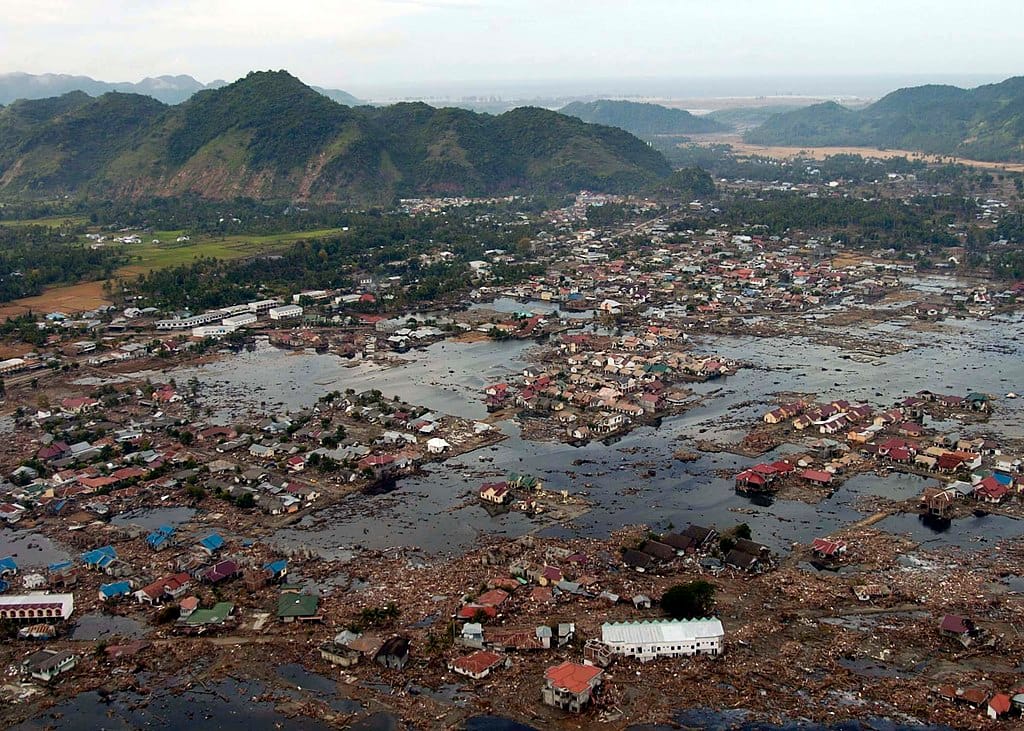
Within 15 minutes, the tsunami spawned by the underwater explosion struck Tonga’s shores. Coastal villages were the first to experience the sudden surge, with waves estimated between 1 to 15 meters high depending on location. Homes were inundated; seawater rushed inland, submerging roads and farmlands.
The tsunami spread far beyond Tonga. American Samoa, Fiji, Japan, and even the west coast of the United States detected unusual wave activity. Although the greatest damage was localized, the event underscored the transoceanic reach of undersea earthquakes and eruptions.
Human Stories amidst the Ruins: Survival and Loss in Tonga
Amid the ash and saltwater, the people of Tonga displayed remarkable resilience amid devastation. Some villages reported the loss of life and injury; houses collapsed, crops were ruined, and vital infrastructure damaged. Yet, tales emerged of survival and communal solidarity.
Locals rallied to clear debris, provide shelter, and support one another despite limited communications. The Tsunami Siren System that was under maintenance at the time unfortunately failed to warn many, amplifying the disaster’s suddenness. These human dimensions—grief, courage, hope—paint the true picture of life after catastrophe.
The International Response: Aid Amidst Isolation
Tonga’s geographic isolation complicated rescue and relief efforts. The volcanic ash cloud and tsunami debris hampered flights and ships. The eruption severed undersea internet cables, cutting Tonga off from much of the outside world for weeks.
Yet, the global community mobilized swiftly. Neighboring Pacific nations, Australia, New Zealand, the United States, and others dispatched aid and personnel. The logistics of delivering water, food, and medical supplies to a nearly inaccessible island archipelago proved a formidable task—and a poignant testament to international solidarity in crisis.
Unprecedented Challenges: Pandemics Meet Natural Disaster
Compounding the catastrophe was Tonga’s ongoing battle with the Covid-19 pandemic. Prior to the eruption, the nation had maintained strict lockdowns and strict border controls. The eruption disrupted quarantine protocols and risked amplifying viral transmission.
Disaster responders had to balance the urgency of tsunami recovery with pandemic safety measures. Healthcare facilities strained under dual pressures, and vaccination campaigns accelerated despite daunting circumstances. The convergence of these crises deepened Tonga’s vulnerabilities.
The Science Behind the Tsunami: How Fire and Water Collided
The volcano’s explosion generated the tsunami through complex processes—most notably the rapid displacement of water by the collapsing volcanic edifice and the explosive release of gas and magma underwater. Unlike typical earthquake-triggered tsunamis, this event's mechanisms were layered, involving atmospheric pressure changes and pyroclastic flows entering the ocean.
Scientists studying this event gained invaluable insights into the behavior of submarine volcanism and their capacity to unleash multifaceted hazards simultaneously, influencing future monitoring and preparedness models.
Communications Breakdown: A Nation Cut Off from the World
One of the immediate tragedies was Tonga’s near-total communications blackout. The eruption destroyed much of the infrastructure, slicing the undersea cable connecting the islands to the global internet. For weeks, the nation grappled with isolation, relying on satellite phones and emergency communication networks.
This digital silence hampered coordination and heightened uncertainty. Loved ones abroad waited anxiously for news; responders struggled to assess damage and distribute aid. The event exposed vulnerabilities in island connectivity infrastructure—a critical lesson for disaster resilience.
The Role of Satellites and Drones: Eyes in the Sky
In the absence of ground-based communications, satellites became lifelines. High-resolution images revealed the scale of volcanic ash deposits, floods, and coastal erosion. Drones flew over affected regions, documenting damage and assisting in mapping safe zones.
These technologies transformed the disaster response, enabling rapid assessment despite physical and infrastructural barriers. Tonga’s crisis demonstrated the importance of modern remote sensing in natural disasters.
Cultural Resilience: Tonga’s Heritage in the Face of Fury
Tonga’s people possess a deep cultural connection to their land and ocean—a bond tested but never severed by this eruption. Traditional knowledge, oral histories of past volcanic events, and communal structures supported recovery efforts.
Ceremonies to honor the land and departed souls blended with practical rebuilding. Community leaders called upon ancestral strength, transforming tragedy into a reaffirmation of identity. This cultural response is as vital as physical reconstruction in healing a shattered nation.
Environmental Impact: The Aftermath on Marine and Land Ecosystems
The eruption and tsunami reshaped both sea and land ecosystems. Ash blanketed reefs and forests, impacting biodiversity. Marine life faced sudden habitat loss, while coastal fishery resources were disrupted.
Yet, in these upheavals were signs of ecological renewal, new volcanic formations creating fresh substrates for life to colonize in time. Scientists continue to study how nature rebounds from such catastrophic resets, offering hope for ecosystem regeneration.
Lessons Learned: Early Warning Systems and Global Preparedness
The Tonga tsunami highlighted significant gaps in early warning infrastructure for submarine volcanic activity. Unlike earthquake-generated tsunamis, volcanic tsunamis are more difficult to predict with current technology.
Efforts now focus on enhancing detection arrays, improving tsunami siren systems, and fostering community awareness. Tonga’s experience urges the global community to reconsider disaster preparedness—recognizing the unique vulnerabilities of island nations facing volcanic threats.
Global Ripple Effects: The Tsunami Beyond Tonga’s Shores
Although Tonga bore the brunt, the tsunami’s waves touched shores as far as the Americas and Asia. Ports issued warnings; coastal evacuations took place. Minor yet measurable damage occurred at distant locations.
This showcased the interconnectedness of Earth’s oceanic systems and the far-reaching consequences of undersea eruptions. It reminded humankind that a single geological event can send ripples across hemispheres.
Comparing Giants: Past Pacific Eruptions and Tsunamis
Throughout history, the Pacific Ring of Fire has produced many such eruptions—some triggering global climate effects. The 1883 Krakatoa eruption, the 1991 Mount Pinatubo eruption, and others offer context.
However, Hunga Tonga’s eruption was unique in its combination of explosive power, tsunami creation, and atmospheric impacts. Comparing these events helps scientists discern patterns and prepare better for future volcanic threats.
The Volcanic Pulse: Monitoring Hunga Tonga’s Ongoing Activity
Following the eruption, Hunga Tonga remained active, with new ash plumes and seismic tremors. While more subdued, the volcano's restless state demands continuous monitoring.
Tonga and international agencies collaborate on deploying instruments to track volcanic activity, providing critical data to safeguard residents and maritime traffic.
Voices of Tonga: Poetry, Song, and Memory of a Nation
The disaster inspired an outpouring of creative expression from Tongan poets, musicians, and storytellers. These voices capture trauma, loss, resilience, and hope.
Art became a means of communal healing and a cultural archive for generations to come. It reflects not just a catastrophe endured, but a spirit unbroken by adversity.
The Future of an Island Nation Facing Climate and Volcanic Threats
Tonga faces a precarious future, balancing threats from natural disasters with rising sea levels and climate change. Its volcanic heritage is both its creator and destroyer.
Investments in infrastructure, disaster management, and sustainable development will be crucial. The eruption was a harsh reminder that these island communities exist on nature’s fragile frontlines.
Scientific Frontiers: What Hunga Tonga Taught Researchers
For volcanologists, climatologists, and oceanographers, the 2022 eruption was a gift of unparalleled data. Its multidimensional impacts expanded understanding in multiple fields—from atmospheric chemistry to tsunami mechanics.
This event stimulates advances that may someday save lives elsewhere and deepen our grasp of Earth’s fiery heart.
How the World Remembers: Memorials, Media, and Memory
Global media coverage brought Tonga’s tragedy into living rooms worldwide, inspiring donations and solidarity. Memorials and commemorations in Tonga pay homage to lost lives while celebrating survivor courage.
These acts of remembrance enshrine the eruption as a historical watershed and an enduring story of human endurance.
Conclusion
The Tonga tsunami of January 15, 2022, was more than a natural disaster; it was a vivid, raw illustration of the extraordinary forces shaping our planet—and the indomitable spirit of a small island nation caught in their wake. From the fiery depths of Hunga Tonga–Hunga Haʻapai, a wave raced across oceans, forever altering landscapes and hearts. Yet, amid ash and saltwater, Tonga’s people rose—steadfast, hopeful, and united.
This event epitomizes the delicate balance between human vulnerability and resilience, between nature’s fury and humanity’s solidarity. It compels us to listen more keenly to the rhythms beneath our feet and to bolster the invisible threads that connect us all in an increasingly fragile world.
FAQs
Q1: What caused the Tonga tsunami on January 15, 2022?
A1: The tsunami was triggered by an explosive underwater eruption of the Hunga Tonga–Hunga Haʻapai submarine volcano. The eruption rapidly displaced enormous volumes of seawater, creating tsunami waves that surged ashore in Tonga and across the Pacific.
Q2: How severe was the damage in Tonga?
A2: Damage included destruction of homes, disruption of infrastructure, flooding of coastal areas, and loss of agriculture and fisheries. Several people died, and many were displaced. Communication outages exacerbated the crisis.
Q3: Why was communication so difficult after the eruption?
A3: The undersea internet cable connecting Tonga to global networks was severed by the eruption’s seismic and extreme energy. This cutting the island nation off from most online communication for weeks.
Q4: Did the tsunami affect countries beyond Tonga?
A4: Yes, minor tsunami waves were recorded along coasts in countries such as American Samoa, Japan, the United States, and Peru. While damage outside Tonga was limited, the event underscored how far-reaching such volcanic tsunamis can be.
Q5: How has the eruption influenced volcanic monitoring practices?
A5: The eruption revealed gaps in early warning for submarine volcanic events and prompted calls for improved detection technologies, more robust tsunami sirens, and international cooperation to enhance preparedness.
Q6: How did the Tongan community respond culturally and emotionally?
A6: Tongans implemented traditional ceremonies, storytelling, and communal support mechanisms to heal and rebuild. Artistic expressions emerged as vital tools for capturing collective grief and resilience.
Q7: What environmental impacts did the eruption cause?
A7: The eruption deposited ash on land and reefs, damaging ecosystems and fish habitats but also creating new geological landscapes that could foster ecological recovery over time.
Q8: How can island nations prepare for similar events in the future?
A8: Strengthening early detection systems, building resilient infrastructure, improving communication links, conducting community education, and integrating traditional knowledge with scientific advances are key strategies.