Table of Contents
- Awakening from the Slumber: The Day Tongariro Roared
- Tongariro: The Sleeping Giant of New Zealand’s North Island
- The Geological Origins: A Volcano’s Story Hidden in Time
- The Quiet Before the Storm: Precursors to the 2012 Eruption
- August 6, 2012: The Moment the Mountain Exploded
- Eyewitness Accounts: The Human Experience of the Eruption
- The Nature of the Blast: Understanding the Phreatic Eruption
- The Immediate Response: Emergency Services and Community Resilience
- Disruptions and Damage: The Toll on Infrastructure and Environment
- Volcanology in Action: Monitoring and Studying Tongariro Post-Eruption
- From Ashes to Ecosystems: Environmental Impact and Recovery
- The Cultural Heartbeat: The Maori Connection to Tongariro’s Wrath
- Tourism on Shaky Ground: The Impact on Adventure Seekers
- Scientific Advances: What 2012 Taught Us About Volcanic Activity
- Broader Implications: New Zealand’s Volcanic Risk Management
- Tongariro’s Legacy: A Reminder of Nature’s Untamable Power
- Reflecting on Crisis: Human Vulnerability and Strength
- The Eruption in Global Context: Comparing Volcanic Events Worldwide
- Media Portrayal: How the World Saw Tongariro’s Fury
- The Spirit of Renewal: Stories of Rebirth and Regrowth
- Lessons Learned: The Path Forward for Disaster Preparedness
- Conclusion: The Eternal Dialogue Between Earth and Its People
- FAQs about the Tongariro Eruption of 2012
- External Resource
- Internal Link
Awakening from the Slumber: The Day Tongariro Roared
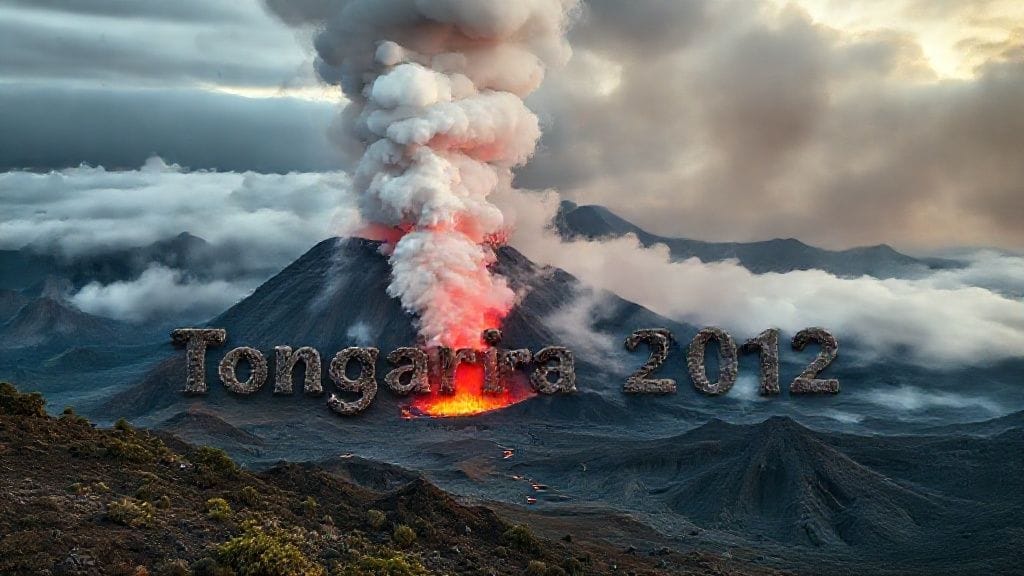
On the crisp morning of August 6, 2012, beneath a sky painted in pale blue and streaked with the last wisp of dawn clouds, the Earth beneath New Zealand’s Central Plateau shuddered. Without warning, the age-old tranquility of Mount Tongariro shattered in a sudden choir of explosions. Ash clouds billowed upwards in a terrifying plume, blackening the horizon and casting a shadow over the surrounding verdant wilderness. The eruption was a startling reminder that beneath the serene beauty of the North Island, immense, untamed forces simmered, ready to awaken.
As hardened locals gazed upwards, and hikers caught in proximity scrambled for safety, the mountain’s release of ancient heat and pressure became a vivid testimony of Earth’s raw power. In that moment, one of New Zealand’s most sacred and significant volcanoes declared its presence not with the slow rumble of geological time, but with a strikingly fierce, human-scale roar.
Tongariro: The Sleeping Giant of New Zealand’s North Island
Tongariro sits at the heart of New Zealand’s volcanic plateau, an imposing formation forged by fiery upheaval millions of years ago. Part of the larger Tongariro volcanic complex, this stratovolcano—comprising three main peaks: Ruapehu, Ngauruhoe, and Tongariro itself—has dominated the landscape for centuries. Its slopes, carved by time and tectonic unrest, have long been quiet, save for lecture-worthy small eruptions and steady simmering fumaroles, shaping both the land and the culture.
The history of Tongariro is tied intimately to the Maori people for whom the mountain is more than just geology; it is a sacred taonga (treasure). The volcano’s peaks represent deities and ancestral spirits, lending a spiritual gravity to any geological activity. For locals and scientists alike, Tongariro’s rest was a fragile peace that could not be taken for granted.
The Geological Origins: A Volcano’s Story Hidden in Time
Tongariro’s eruptions are the result of complex tectonic interactions where the Pacific Plate plunges beneath the Indo-Australian Plate—a subduction zone that generates the fiery conditions necessary for volcanism. Over thousands of years, repeated episodes of magma intrusion, explosive activity, and lava flows have built layers upon layers of volcanic rock, sculpting a mountain that is as much a geological archive as a natural giant.
Understanding Tongariro’s nature means diving into the rhythms of magma chambers, hydrothermal systems, and gas pressure. The 2012 eruption was phreatic—meaning steam-driven as groundwater met hot magma beneath the surface—resulting in an explosive but short-lived event that left scientific teams scrambling to decode its signals.
The Quiet Before the Storm: Precursors to the 2012 Eruption
In the months leading to August 2012, Tongariro had already begun whispering warnings. Seismic activity increased subtly but noticeably; tremors, fissures, and gas emissions fluctuated. The country’s geological monitoring network, GeoNet, tracked swarms of small earthquakes and heightened volcanic tremors that suggested unrest under the mountain’s crags.
While these signs might have stirred concern, many residents and visitors remained unaware of the scale of what was to come. Volcanoes often send cryptic messages, and interpreting them is a challenge of intuition, science, and luck. The mountain held its majesty and danger in quiet juxtaposition until the fateful day.
August 6, 2012: The Moment the Mountain Exploded
At approximately 11:50 AM local time, a series of violent blasts rocked the area. Photographs and videos caught the moment when several strong explosions sent plumes of ash soaring up to 4.5 kilometers into the sky. The force scattered rock fragments—some weighing several kilograms—into the surrounding forests and plains.
The ashfall was immediate and far-reaching, engulfing nearby trails and towns like National Park village with sheets of fine volcanic dust. Visibility plunged, and the acrid smell of sulfur mingled with the crisp alpine air. Emergency warnings blared, hikers and climbers hurried to descend, and an invisible cloud of potential peril spread swiftly.
Eyewitness Accounts: The Human Experience of the Eruption
“I was halfway through the Tongariro Crossing when the blasts hit,” recalls James McAlister, a visitor from Auckland. “One moment it was calm; then the sky turned dark as if twilight had come early. I remember feeling the ground shake beneath my feet—it was terrifying.”
Local guides, hikers, and rangers described the chaos and urgent attempts to evacuate. Some spoke of narrowly escaping falling rock and being swallowed momentarily by volcanic ash, which coated their skin and lungs. These personal stories give a profound human dimension to what might otherwise be reduced to abstract geology.
The Nature of the Blast: Understanding the Phreatic Eruption
Unlike magmatic eruptions that shoot fresh molten rock into the air, the 2012 Tongariro event was phreatic—a steam explosion triggered when water trapped beneath the volcano rapidly heated and vaporized. This type of eruption can be unpredictable and violent, ejecting older rock fragments and ash without lava flow.
Phreatic volcanoes have a notorious reputation for striking suddenly, catching people off guard. Tongariro’s blast created a “signature” pattern of seismic activity and surface deformation that challenged volcanologists to refine their disruptive models.
The Immediate Response: Emergency Services and Community Resilience
New Zealand’s civil defense swiftly acted. Roads were closed, air traffic temporarily diverted, and the nearby National Park village was placed on alert. Evacuations, though limited, were orderly, owing to both the pre-established emergency protocols and the calm professionalism of response teams who coordinated with local iwi (Maori tribes) to ensure cultural sites were respected.
The eruption rekindled collective memories of past disasters and renewed the spirit of community solidarity. Shops, locals, and volunteers banded together to aid those affected, distributing masks and water to combat ash inhalation and contamination.
Disruptions and Damage: The Toll on Infrastructure and Environment
Ash coated cars, buildings, farmland, and fragile alpine ecosystems. The National Park railway line experienced temporary closure due to debris on the tracks, impacting logistics and tourism. Several flights were canceled or rerouted to avoid the volcanic plume.
Environmentally, the fallout threatened river ecosystems as ash entered waterways, potentially harming fish and aquatic plants. Forests suffered from scalded leaves and disrupted soil chemistry, though experts anticipated some of these systems would adapt or recover naturally over time.
Volcanology in Action: Monitoring and Studying Tongariro Post-Eruption
The 2012 event posed a golden opportunity for scientists. GeoNet increased seismic monitoring stations, employed drones for aerial surveying, and gathered extensive ash and rock samples. Researchers from New Zealand and abroad studied how phreatic eruptions could be better predicted and classified.
The eruption added a piece to the puzzle of Tongariro’s complex behavior, revealing subtle signs that might signal future activity and highlighting the need for constant vigilance on a geologically restless island.
From Ashes to Ecosystems: Environmental Impact and Recovery
Nature, with its profound resilience, began reclaiming the ash-covered landscapes soon after the eruption. Pioneer plants—mosses, lichens, and hardy grasses—sprouted amid the gritty soil. Maori traditional knowledge emphasizes respect for this rebirth, viewing the volcanic disturbance not merely as destruction but as a cycle of renewal.
Scientific studies later showed that volcanic soils, rich in minerals, often enhance biodiversity in the long term. Tongariro’s eruption, while a blow to the immediate ecosystem, set the stage for an ecological renaissance.
The Cultural Heartbeat: The Maori Connection to Tongariro’s Wrath
For the whanau and iwi of the region, Tongariro's eruption echoed ancient narratives of the mountain gods’ temperament. The mountain is a tupuna, an ancestor, deserving of reverence and caution. In Maori oral history, the volcano’s eruptions symbolize both affirmation of life and reminders of humankind’s place within the natural order.
Leaders from local tribes participated in briefings with scientists and government officials, blending traditional knowledge with modern science to forge a holistic response to the eruption and its aftermath.
Tourism on Shaky Ground: The Impact on Adventure Seekers
Tongariro Crossing, a world-famous hiking trail, faced immediate closures. The fallout affected thousands of tourists who had planned to traverse the volcanic terrain. Tourism operators scrambled to adjust booking schedules and reassure visitors of safety.
Yet, the eruption added a layer of raw authenticity to the destination—some travelers were drawn by the mystery of the exposed volcanic scars, others by the renewed narratives of survival and interaction between humans and nature.
Scientific Advances: What 2012 Taught Us About Volcanic Activity
The eruption underscored the challenges of predicting phreatic blasts and emphasized the importance of integrating multiple monitoring techniques—from seismic measurements to gas sampling and satellite imagery. Tongariro became a case study in refining early-warning systems and community education.
Researchers posited new theoretical models about underground water-magma interactions that could have broader applications to volcanoes around the world.
Broader Implications: New Zealand’s Volcanic Risk Management
New Zealand’s position along the Pacific “Ring of Fire” mandates constant readiness. The Tongariro eruption prompted critical reviews of risk communication strategies, infrastructure resilience, and evacuation protocols. It also reinforced the necessity of maintaining strong partnerships among scientists, government, iwi, and the public.
The lessons learned fed into national hazard management policies, influencing disaster response frameworks for other volcanic centers across the country.
Tongariro’s Legacy: A Reminder of Nature’s Untamable Power
The roaring eruption of 2012 remains a vivid chapter in New Zealand’s volcanic history, a vivid testimony to the latent dangers beneath familiar landscapes. It reminded residents and visitors alike that the Earth beneath their feet is alive, pulsing unpredictably.
In this practice of respect and awareness, Tongariro’s legacy continues to shape attitudes toward coexistence with nature’s elemental forces.
Reflecting on Crisis: Human Vulnerability and Strength
Beyond ash and lava lies the story of people—those caught amidst sudden rupture, those who rushed in to help, those who bore witness. The eruption etched lessons of humility, resilience, adaptability, and community spirit into New Zealand’s collective consciousness.
It reminded humanity of its delicate place in the geosphere’s vast theater—a place both fragile and capable of extraordinary courage.
The Eruption in Global Context: Comparing Volcanic Events Worldwide
While not among the largest eruptions in recent history, Tongariro’s phreatic blast fits within a global pattern of volcanoes exhibiting sudden, steam-driven activity. Comparisons with Japan’s Shinmoedake eruption in 2011 and Italy’s Mount Vesuvius reveal common threads of risk and uncertainty.
Each event adds to our evolving understanding of volcanic hazards and informs international preparedness efforts.
Media Portrayal: How the World Saw Tongariro’s Fury
News outlets worldwide captured striking visuals of the ash plumes and exploding rocks, painting dramatic images of New Zealand’s wild heart. Coverage balanced awe with caution, underscoring the island’s natural beauty and inherent dangers.
Social media amplified eyewitness videos, bringing the eruption into living rooms globally, deepening interest in volcanology and environmental science.
The Spirit of Renewal: Stories of Rebirth and Regrowth
In the months and years following the eruption, tales emerged of faunal return, hikers’ renewed passage, and the land’s quiet healing. Community-led reforestation projects and educational programs blossomed, embodying the paradox of destruction as precursor to life.
Tongariro’s eruption became not only a natural event but a human story of hope and perseverance.
Lessons Learned: The Path Forward for Disaster Preparedness
The 2012 eruption catalyzed vital reforms including enhanced monitoring technology, integrated indigenous knowledge, improved public communication, and increased funding for volcanic research. These changes strengthen New Zealand’s resilience to future events.
The fusion of science and culture stands as a blueprint for volcanic risk management in similarly active regions worldwide.
Conclusion: The Eternal Dialogue Between Earth and Its People
Mount Tongariro’s eruption in August 2012 was a stark awakening—a forceful ventilation of the Earth’s restless heart beneath New Zealand’s North Island. It confronted humanity with the raw, elemental drama that quietly shapes landscapes and lives. More than a geological event, it was a human story layered with reverence, crisis, courage, and wisdom.
In the years since, the echoes of that day resonate not only through ash-covered forests and volcanic ash, but within the minds and hearts of those who live alongside Tongariro. It is a timeless reminder: beneath the stillness of the world’s surface, powerful stories are always unfolding, urging humankind to listen, prepare, and respect the profound, untamable rhythms of nature.
FAQs about the Tongariro Eruption of 2012
Q1: What caused the 2012 eruption of Tongariro?
A1: The eruption was phreatic, triggered by the sudden heating of groundwater as magma or hot rocks interacted beneath the surface, causing a steam-driven explosion.
Q2: Were there any casualties during the eruption?
A2: Fortunately, no fatalities were reported, though several hikers and locals experienced injuries or exposure to volcanic ash.
Q3: How long did the eruption last?
A3: The eruption was relatively short-lived, occurring on August 6, 2012, with several explosive bursts during the day, though minor activity and elevated volcanic alert levels persisted afterward.
Q4: How did the eruption affect local Maori culture?
A4: The eruption reinforced spiritual connections to Tongariro, regarded as a sacred ancestor and deity. Maori leaders advocated for respectful responses integrating traditional knowledge with scientific monitoring.
Q5: What infrastructure was impacted by the eruption?
A5: Local roads, the National Park railway line, and the hiking trails were temporarily closed or affected by ashfall and rock debris, disrupting transport and tourism.
Q6: What has been done to improve volcanic monitoring since the eruption?
A6: GeoNet expanded seismic stations, incorporated advanced gas and satellite monitoring, and strengthened collaboration with Maori groups to enhance early warning and response systems.
Q7: How does the 2012 eruption compare to other volcanic events in New Zealand?
A7: While moderate compared to larger events like the 1995 Ruapehu eruption, it was significant as a sudden phreatic blast and contributed valuable scientific insights.
Q8: What long-term ecological impacts did the eruption have?
A8: The ash initially disrupted ecosystems but enriched soils, ultimately fostering new vegetation and biodiversity consistent with volcanic landscape recovery.

