Table of Contents
- The Fall of the House of Burgundy: Prelude to a New Dynasty
- The Seeds of Civil War: Castile Divided
- Henry II of Trastámara: The Shadow Prince
- Pedro the Cruel: A King in Turmoil
- The Battle of Nájera (1367): A Temporary Reprieve
- The Road to Montiel and Toledo: Clash of Titans
- The Final Confrontation: The Battle of Montiel, 1369
- The Death of Pedro and the Rise of Henry II
- The Political Landscape After Montiel: Consolidating Power
- The Role of Toledo: Symbolism and Strategy
- Legitimacy and Rule: How the Trastámaras Won Hearts and Thrones
- The Impact on Nobility and Urban Populations
- Castile’s Neighbors: Aragon, Portugal, and the Influence of France and England
- The Trastámara Dynasty’s Cultural Patronage and Legacy
- The Hundred Years’ War’s Shadow over Iberian Politics
- The Social Repercussions: From Violence to Order
- The Institutional Transformations Under Henry II
- Chronicles and Memory: How History Told the Trastámara Rise
- The Foundation for Future Conflicts and Unifications
- The Sword and the Crown: A New Era Begins
- Conclusion: From Bloodshed to Dynasty
- FAQs: Understanding the Trastámara Ascendancy
- External Resource
- Internal Link
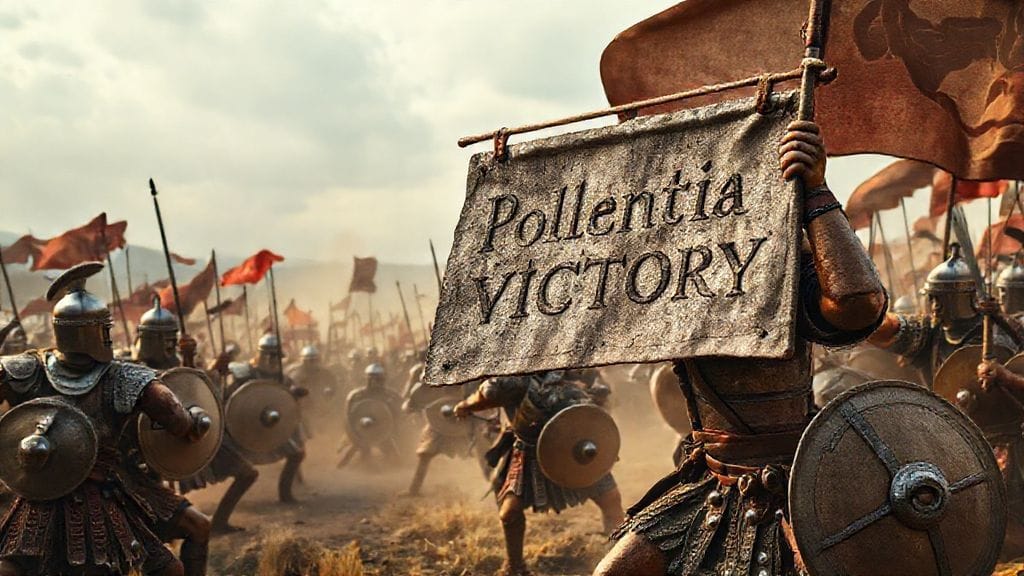
The year was 1369. The fierce Castilian sun beat down upon a land ravaged by a brutal civil war where brother fought brother, and loyalty was a shifting tide beneath the blood-soaked fields of Montiel. Amidst the clangor of armor and anguished cries, a dynasty was forged in fire and betrayal—the Trastámaras secured their hold on Castile, shaping the very destiny of medieval Spain.
The Fall of the House of Burgundy: Prelude to a New Dynasty
For over two centuries, the House of Burgundy had ruled Castile with a sometimes steady, sometimes troubled hand. The lineage traced back to Ferdinand I, who once expanded Christian realms within the Iberian Peninsula, intertwining lineage with the fate of all Castile. Yet by the mid-14th century, the Burgundian grip faltered under the weight of internal dissent, noble unrest, and the ambitions of opposition.
The conflict was not merely dynastic; it was the violent expression of tensions unleashed by a kingdom struggling to reconcile feudal forces, royal authority, and external pressures. Castile was a powder keg, primed by decades of weak kingship and factionalism.
The Seeds of Civil War: Castile Divided
Castile in the 1360s was a kingdom fractured. The reign of King Pedro I, later known as Pedro the Cruel (or Pedro the Just, depending on allegiance), had plunged the realm into direct civil conflict. Pedro’s reign, marked by ruthless decisions and enigmatic cruelty, alienated much of the nobility and some towns, which rallied instead behind his half-brother Henry of Trastámara—a man representing both popular dissent and noble ambition.
The sparks ignited into open war in 1366 when Henry, supported by French and Aragonese allies, launched an insurrection against Pedro. This familial civil war tore the fabric of Castilian society and invited foreign intervention, each faction seeking to dictate the throne's heir.
Henry II of Trastámara: The Shadow Prince
Henry of Trastámara was no mere usurper. Bastard son of King Alfonso XI, he possessed an uncanny combination of military skill, political shrewdness, and ruthless resolve. His very presence was a challenge to Pedro’s legitimacy, but also a beacon of hope for those discontent with the king’s despotic methods.
Henry’s life was forged in exile and struggle; he knew the precariousness of noble favor and the power of alliances. Behind the calm facade was a man capable of unyielding cruelty himself, emblematic of a time when power was seized by blood as much as by right.
Pedro the Cruel: A King in Turmoil
Pedro I’s reign oscillated between moments of strong governance and brutal repression. His enemies called him cruel; his supporters, just. Pedro’s key problem was a court divided by jealousy and betrayal, nourished by his own acts of severe punishment against nobles and enemies.
His captures and executions were public spectacles, intended to cow the opposition but often sowing seeds of further unrest. Pedro’s foreign policies aligned frequently with England during the Hundred Years’ War, while Henry garnered French and Aragonese support. Thus, Castile became another chessboard in European power struggles.
The Battle of Nájera (1367): A Temporary Reprieve
Before the final act at Montiel, the pivotal Battle of Nájera shook Castile’s civil war's foundations. With English Prince Edward, the Black Prince, at his side, Pedro soundly defeated Henry's forces, forcing him into retreat. Yet victory was bittersweet.
Despite winning the battle, Pedro failed to convert military success into lasting political stability. The English occupation drained Castilian coffers, and dissatisfaction simmered on all sides. Henry, though expelled, was far from defeated.
The Road to Montiel and Toledo: Clash of Titans
Two years later, Henry returned, more determined and better prepared. The terrain itself mirrored the trials ahead: rugged hills and ancient walled cities, symbols of endurance and contested authority. Montiel became the stage of a decisive encounter, while Toledo—Castile’s historic heart—loomed as a strategic prize.
The two men’s paths converged again. This time, local loyalties had shifted; many nobles and towns weary of Pedro’s harsh rule turned tacitly or overtly to Henry.
The Final Confrontation: The Battle of Montiel, 1369
The battle itself was brutal and short. Henry’s forces, strategically superior and politically better positioned, crushed Pedro’s army at Montiel. The precise circumstances of Pedro’s death are steeped in legend and betrayal, involving a treacherous meeting in the castle’s chamber where Henry personally murdered the defeated king.
This act completed the dynasty’s birth in a grisly but decisive manner. Pedro’s fatal end was more than a death; it was the extinguishing of the House of Burgundy’s hold on Castile and the dawn of Trastámara rule.
The Death of Pedro and the Rise of Henry II
Henry wasted no time cementing his claim. Declared king by the Cortes of Toledo, he began a reign focused on consolidation rather than expansion. His legitimacy rested on both blood and the sword, yet also on an astute political vision that sought to reconcile factions.
Pedro’s memory lingered, yet Henry sought to erase the shadow of civil war with administrative reforms and the restoration of order, winning over the nobility and bourgeoisie alike.
The Political Landscape After Montiel: Consolidating Power
Henry’s reign faced immediate challenges: disaffected loyalists of Pedro lingered, economic disruption threatened stability, and foreign powers lingered at borders, ready to exploit weaknesses. The new king skillfully negotiated peace with Aragon and mended fractured ties within Castile.
Moreover, Henry II’s support for the Franciscans and alliances with the clergy bolstered his religious legitimation, crucial in a deeply pious milieu.
The Role of Toledo: Symbolism and Strategy
Toledo, the ancient Visigothic capital, was more than a city; it was a symbol of Castilian identity and power. Holding Toledo meant controlling the political and spiritual heart of the realm.
Henry’s coronation there was a deliberate act of symbolism, underscoring his claim to continuity and justice in the face of Pedro’s divisiveness.
Legitimacy and Rule: How the Trastámaras Won Hearts and Thrones
The question lingered: how did a bastard son overthrow a king with legitimate claim? Partly through military might, certainly. But also through cultivating the narrative of justice, piety, and stability.
Henry portrayed himself as a restorer of peace and protector of the common good, contrasting Pedro’s infamous cruelty. This narrative served his dynasty well in subsequent decades.
The Impact on Nobility and Urban Populations
Castile’s noble factions suffered and benefitted in turn. Lands were redistributed; old loyalties swept away and new power centers emerged under Trastámara favor. Urban centers, previously battlegrounds of factional strife, began tentative recovery.
For many townspeople, relative peace meant flourishing trade and safer streets, reinforcing Henry’s legitimacy beyond the battlefield.
Castile’s Neighbors: Aragon, Portugal, and the Influence of France and England
Castile's internal strife had wider ramifications. Neighboring kingdoms watched with uneasy interest. The Trastámara allied with France, while Pedro was supported by English interests, linking the Castilian civil war to the grander conflict of the Hundred Years’ War.
Portugal's maneuvers and Aragonese ambitions added layers of complexity, turning the Iberian Peninsula into a mosaic of feuding dynasties and shifting coalitions.
The Trastámara Dynasty’s Cultural Patronage and Legacy
Beyond politics and war, the Trastámara court became a beacon of cultural patronage. Literature, architecture, and art flourished under Henry II and his successors, blending Gothic and Mudéjar styles in palaces and churches.
This cultural renaissance forged a unique Castilian identity, weaving together Christian, Jewish, and Muslim influences, despite ongoing conflicts.
The Hundred Years’ War’s Shadow over Iberian Politics
Though geographically distant from northern France, the Iberian kingdoms could not escape the Hundred Years’ War’s influence. Castile’s civil war intersected with this broader continental conflict, as English and French proxies sought leverage.
Henry’s victory aligned Castile closer to France, shaping international alliances that would endure well beyond his reign.
The Social Repercussions: From Violence to Order
The war left scars—villages depopulated, trade disrupted, populations displaced. Yet Henry’s reign initiated gradual social healing. His emphasis on law and order, alongside renewed royal authority, fostered an environment where commerce and crafts began to recover.
The Trastámara monarchy balanced repression and conciliation to rebuild a kingdom shattered by internecine strife.
The Institutional Transformations Under Henry II
Henry instituted reforms strengthening the monarchy’s control over regional nobles and judicial systems. The Corregimiento system expanded, allowing royal officials greater oversight across Castile’s towns and countryside.
These institutional frameworks laid the groundwork for the more centralized Spanish monarchy that would emerge in centuries to come.
Chronicles and Memory: How History Told the Trastámara Rise
Contemporary chroniclers like Pero López de Ayala recorded the blood-soaked saga with dramatic flair, shaping later perceptions of Pedro and Henry. These narratives colored the legacy of both figures: Pedro as the cruel tyrant, Henry as the rightful restorer.
This literary memory has influenced historical debate and cultural memory across generations.
The Foundation for Future Conflicts and Unifications
The Trastámara triumph was both a beginning and a seed of future turmoil. Their ascent set the stage for conflicts with Aragon and Portugal, as well as dynastic marriages that would eventually unite Castile and Aragon.
The dynasty’s consolidation helped pave the way for the eventual formation of a united Spain under the Catholic Monarchs.
The Sword and the Crown: A New Era Begins
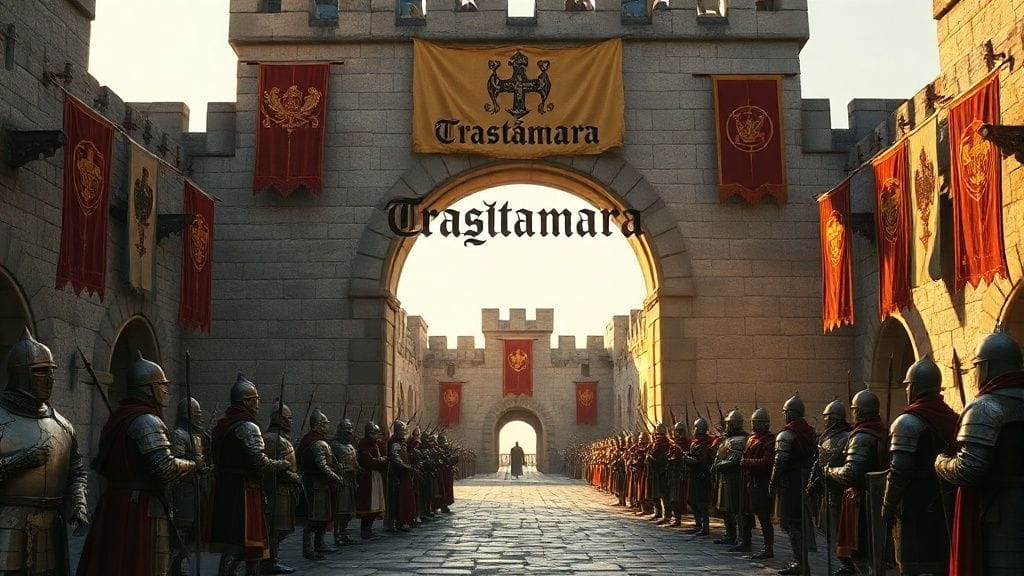
By 1369, the Trastámara dynasty had definitively seized the crown. Their rule signaled the transition from fragmented feudal conflicts toward a more centralized and dynastic state.
Yet the sword that won the crown carried a legacy of brutality, reminding all that rule was won and maintained at a high price.
Conclusion: From Bloodshed to Dynasty
The year 1369 and the Battle of Montiel stand as a watershed in Castilian history—not merely as a turning point in a violent civil war but as the birth of a dynasty that would shape Spain’s political, cultural, and social trajectory for centuries. Henry II’s victory was more than a conquest; it was the crystallization of competing visions of power, legitimacy, and justice amid chaos.
The Trastámara dynasty’s rise from familial conflict and foreign entanglement underlined the fragile complexity of medieval kingship: a paradox of brutality and diplomacy, bloodshed and governance. Their reign laid the foundations of modern Spain, a kingdom emerging from the shadows of internecine violence into the dawn of sovereignty and culture.
This historic moment reminds us of the profound human cost behind dynasties and crowns—even as it highlights the resilience and ambitions that drive history forward.
FAQs
1. What were the main causes of the civil war in Castile between Pedro I and Henry II?
The conflict stemmed from personal animosity between half-brothers, political factionalism among the nobility, and dissatisfaction with King Pedro I's harsh rule. External alliances with England and France further complicated the struggle.
2. How did foreign powers influence the Castilian civil war?
England supported Pedro I, aligning with their interests in the Hundred Years' War, while France and Aragon backed Henry II. These alliances intensified the conflict and linked Castilian politics to broader European power struggles.
3. Why was the Battle of Montiel decisive?
It marked the ultimate defeat of Pedro I, who was captured and killed, allowing Henry II to secure the throne and end the civil war, thus establishing the Trastámara dynasty officially.
4. How did the Trastámara dynasty affect the social and political structure of Castile?
Henry II instituted reforms that strengthened royal authority over nobility, restored order, and expanded administrative control, which contributed to the centralization of the Castilian monarchy.
5. How is Pedro I remembered in history?
Pedro I remains a controversial figure, dubbed "Pedro the Cruel" by his enemies and "Pedro the Just" by supporters. His reign was marked by ruthless governance but also efforts to maintain royal power.
6. What role did Toledo play in Henry II's rise?
Toledo was both a strategic and symbolic center. Henry II’s coronation there underlined his legitimacy and connection to the historic heart of Castilian power.
7. How did the Castilian civil war influence later Spanish unification?
The Trastámara dynasty's consolidation laid the political and dynastic groundwork for later unifications, including the marriage of Ferdinand II of Aragon and Isabella I of Castile.
8. What cultural impacts did the Trastámara dynasty have?
They promoted a flowering of arts and architecture, incorporating diverse influences and fostering a cultural identity that blended Christian, Muslim, and Jewish legacies.