Table of Contents
- The Final Days of a Union Hero
- Wilton’s Quiet Embrace: Mt. McGregor as a Last Refuge
- Ulysses S. Grant: A Life Etched in Battle and Presidency
- The Grim Arrival at Mt. McGregor
- The Shadow of Cancer: Grant’s Declining Health
- Literary Pursuits Amidst Mortality
- The Indelible Presence of Julia Dent Grant
- Visitors and Farewells: Farewell to a National Icon
- The Death of Ulysses S. Grant: July 23, 1885
- The Immediate National Reaction
- The Mourning of a Nation: Funerary Traditions and Public Grief
- Grant’s Legacy in Politics and War
- The Personal Battles Behind the Public Figure
- Mount McGregor’s Place in History Post-Grant
- Reflections on Leadership, Failure, and Redemption
- Memory, Myth, and the Making of a Legend
- The Enduring Symbolism of Grant’s Final Chapter
- Conclusion: A Legacy Beyond Death
- FAQs
- External Resource
- Internal Link
1. The Final Days of a Union Hero
The summer sun waned over the rolling hills of upstate New York, its light tender and fading on the quiet slopes of Mt. McGregor. Here, far from the capital’s clamor and the battlefields scarred by war, a man wrestled with his mortality. Ulysses S. Grant, the Union's supreme commander turned president, faced the closing chapter of his life amidst the hush of pine trees and the whispers of the Adirondack breeze. The year was 1885; the date July 23rd would mark the passing of a man whose name was synonymous with resilience and unity. Yet, as the golden light dimmed, so too did Grant’s great presence ebb away—his struggles as monumental as the nation he had helped forge.
2. Wilton’s Quiet Embrace: Mt. McGregor as a Last Refuge
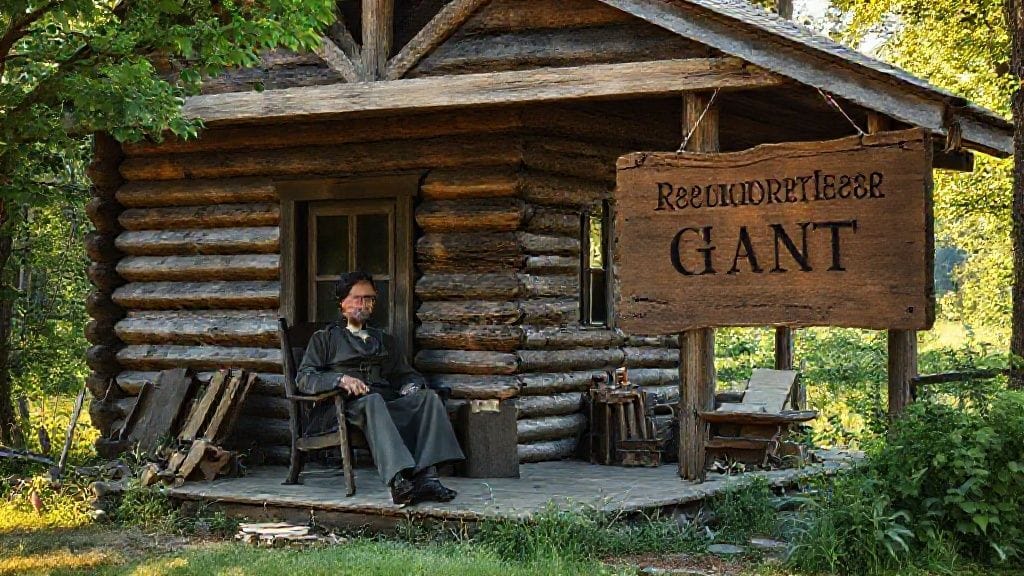
Nestled in Wilton, near Saratoga Springs, Mt. McGregor was an unlikely sanctuary for a fallen general. This remote retreat, a rustic cottage surrounded by nature's indifference, became the setting of a poignant final act. Grant sought this place as a refuge from the relentless pressure of public life and an agonizing battle with throat cancer. The choice of Mt. McGregor was less about comfort and more about dignity—a chance to face death with the same grit that defined his military campaigns.
3. Ulysses S. Grant: A Life Etched in Battle and Presidency
To understand the significance of Grant’s death, we must trace the contours of his remarkable life. Born Hiram Ulysses Grant in Ohio in 1822, he emerged from modest beginnings. His journey through West Point, the Mexican-American War, and a quiet interlude in civilian life prefaced his meteoric rise during the American Civil War. As commander of the Union armies, Grant’s strategic vision and relentless perseverance brought the Southern rebellion to its knees. His presidency, however, was marked by political turbulence and personal scandals, overshadowing his monumental contributions to reunification. Yet, at his death, he remained a towering figure of American history—the emblem of steadfastness amid chaos.
4. The Grim Arrival at Mt. McGregor
In the sweltering summer of 1884, Grant arrived at Mt. McGregor in worsened health. The journey was arduous, his breathing labored, his voice reduced to a raspy whisper. Those closest to him described a man physically diminished but mentally sharp, a ghost of the robust warrior who once led armies. The retreat was chosen on the advice of his doctor, seeking solitude for recovery that would not come. Yet, even in decline, Grant’s spirit cast its long shadow—each step, a testament to a heroic defiance of fate.
5. The Shadow of Cancer: Grant’s Declining Health
By this time, Grant was in the throes of terminal throat cancer, suffering pain and debilitating weakness. The disease stripped away his ability to speak clearly, forcing him into silence that contrasted deeply with the thunderous commands of his battlefield years. His fingers trembled, and every breath was an exertion. Yet, his mind remained unclouded, and this clarity fueled his final labor—the writing of his memoirs. The cruel irony of a man who had once wrested a nation from the brink of collapse now battling an enemy he could neither defeat nor evade.
6. Literary Pursuits Amidst Mortality
Despite his physical decline, Grant demonstrated an iron will to complete his memoirs, commissioning Mark Twain to publish them. These works would become legendary, not only for their literary merit but also for securing the financial future of his family. The writing process was grueling, each sentence a struggle against pain and exhaustion. His words, however, revealed a man of humility, candor, and profound insight into the horrors of war and the burdens of leadership. It was a final act of service—to history, to his family, and to the republic he so dearly loved.
7. The Indelible Presence of Julia Dent Grant
Throughout these trying days, Julia Dent Grant, his devoted wife, remained steadfast at his side. Her presence was a pillar of strength amid frailty, an anchor for a man adrift on the sea of his final suffering. Julia’s care extended beyond the physical; her unwavering love provided a refuge of peace and human warmth. It is said that without her support, Grant would never have been able to finish his memoirs or confront death with such dignity. Their bond—a quiet epic in itself—shaped the closing months of his life.
8. Visitors and Farewells: Farewell to a National Icon
As news spread of Grant’s declining health, visitors ranging from politicians to old comrades made pilgrimages to Mt. McGregor. These moments were bittersweet reunions, accounts of shared memories, and final expressions of gratitude. Conversations echoed the nation’s mood—a blend of sorrow, respect, and the lingering hope of recovery. Yet, beneath these gatherings, the inexorable weight of death grew heavier, a silent adversary no army or policy could repel.
9. The Death of Ulysses S. Grant: July 23, 1885
On the afternoon of July 23, 1885, Grant passed away in his tent, calm and surrounded by loved ones. Reports from that day evoke a scene imbued with solemnity and reverence—the great general breathing his last as a gentle rain kissed the earth outside. It was the end of an era, and with it, a nation mourned not just a man but a symbol—hope, union, and resilience. The news spread like wildfire, arresting the public imagination and drawing a collective breath of loss.
10. The Immediate National Reaction
When the announcement reached the capital and throughout the states, a palpable wave of grief swept the country. Newspapers published eulogies extolling Grant’s legacy and recounting his valor and leadership. Public buildings draped in black flags, flags flew at half-staff, and thousands joined in mourning ceremonies. For a nation still grappling with the scars of civil war, the death of Grant was a moment of solemn unity and reflection.
11. The Mourning of a Nation: Funerary Traditions and Public Grief
Grant’s funeral drew unprecedented attention. His body lay in state in the Capitol—the first president and commander-in-chief accorded such an honor—where multitudes paid homage. The funeral procession was a grand spectacle of military precision and civilian mourning, spanning from Washington to New York City, culminating in his burial at Riverside Park adjacent to the Hudson River. This public outpouring was more than protocol; it was a collective testament to his place in the American soul.
12. Grant’s Legacy in Politics and War
Grant’s death reopened debates over his contributions, highlighting the stark dichotomy between his military genius and presidential controversies. Scholars and citizens alike grappled with his legacy—the victorious general who preserved the Union, the president beset by political scandals, the man whose integrity survived turbulent times. Ultimately, Grant’s legacy transcended partisan lines, embodying in many minds the ideals of courage, forgiveness, and national reconciliation.
13. The Personal Battles Behind the Public Figure
Beneath the bronze portraits and historical narratives lay a man of contradictions—wildly ambitious yet humble, stoic yet prone to moments of tenderness, a military tactician haunted by the cost of war. His struggles with personal finances, bouts of depression, and troubled political relationships portray a human being navigating immense pressure. His death invites us to peer behind history’s veil and recognize the layered humanity of this towering figure.
14. Mount McGregor’s Place in History Post-Grant
After Grant’s death, Mt. McGregor gained a permanent place in American historic consciousness. Though today little remains of the original cottage, the site became a pilgrimage point, a reminder of mortality’s shadow even over the mightiest. The mountain’s quiet slopes, once a backdrop for final farewells, serve as a symbol of the complex relationship between public duty and private suffering.
15. Reflections on Leadership, Failure, and Redemption
Grant’s life and death combine into a powerful narrative about leadership marked by perseverance amid adversity. Despite his setbacks, Grant’s final efforts—the memoirs and the dignified acceptance of death—embody a form of redemption. His story teaches the persistence required not only on battlefields but in personal resolve against life’s final trials.
16. Memory, Myth, and the Making of a Legend
In the years following his passing, Grant’s story entered the realm of legend. Remembered as both ruthless general and forgiving leader, his image was molded by storytellers, historians, and the public’s longing for heroes. This mythmaking process inevitably simplifies and amplifies, yet the core truths of his character—fortitude, loyalty, dedication—resonate enduringly.
17. The Enduring Symbolism of Grant’s Final Chapter
Grant’s final days at Mt. McGregor symbolize the convergence of history and humanity—a man facing death with courage, creativity, and love. His passing invites reflection on how history’s giants bow before the same eventuality as all men, yet leave behind legacies that inspire hope and unity.
Conclusion
Ulysses S. Grant’s death at Mt. McGregor was not merely the extinguishing of a single life but the closing of a profoundly transformative American chapter. In his final hours, removed from the battles and politics that shaped his public life, he faced his fate with the same tenacity that marked every pivotal moment before. The memoirs he completed in suffering ensured that his voice echoed beyond the grave, allowing the nation to reconcile with his legacy. Today, Grant’s story is a testament to resilience—a reminder that courage is not only summoned in moments of grandeur but also in quiet acceptance. His journey, ending on a humble mountain, continues to inspire a deeper understanding of leadership, sacrifice, and the unyielding spirit of a nation striving to heal and unite.
FAQs
Q1: What illness caused Ulysses S. Grant’s death?
A1: Ulysses S. Grant died from throat cancer, a debilitating disease that affected his ability to speak and eat in his final months.
Q2: Why did Grant choose Mt. McGregor as his final refuge?
A2: Mt. McGregor was recommended by his doctors as a peaceful retreat where he could rest in privacy and focus on completing his memoirs.
Q3: Who was the most influential person supporting Grant during his final days?
A3: Julia Dent Grant, his wife, provided unwavering emotional and physical support, playing a vital role in helping him complete his writings.
Q4: How did the nation react to Grant’s death?
A4: The nation mourned deeply, with public ceremonies, flags at half-staff, and widespread recognition of his military and presidential contributions.
Q5: What was the significance of Grant’s memoirs?
A5: Grant’s memoirs are considered a masterpiece of war literature and a crucial historical document, securing his family’s financial future and preserving his legacy.
Q6: Where is Ulysses S. Grant buried?
A6: He is buried in Grant’s Tomb, officially the General Grant National Memorial, located in Riverside Park, New York City.
Q7: How did Grant’s presidency affect his historical reputation?
A7: While his military career is widely celebrated, his presidency was marred by political corruption scandals, leading to mixed historical assessments, though modern scholarship often views his presidency more sympathetically.
Q8: What remains of Mt. McGregor today?
A8: The original cottage where Grant died no longer exists, but the site is preserved with markers and hiking trails commemorating his final days.