Table of Contents
- A Night of Roaring Seas: The Vanuatu Tsunami Unleashed
- Setting the Stage: Vanuatu and Espiritu Santo Before the Disaster
- Beneath the Waves: The Geological Forces at Play
- The Earthquake that Set the Ocean in Motion
- Initial Shockwaves: How the Seas Began to Rise
- The Early Warning Gap: Vulnerability and Communication Failures
- The First Wall of Water: Impact on Espiritu Santo’s Coastlines
- Human Stories of Survival and Loss
- Emergency Response in an Archipelago Struggling to Breathe
- International Aid and the Slow March to Recovery
- Environmental Devastation: The Aftermath on Marine and Terrestrial Ecosystems
- The Socio-Economic Toll: Livelihoods Washed Away
- Cultural Resilience and Traditional Knowledge in Disaster Response
- Rebuilding a Community: From Ruins to Renewal
- Lessons Learned: Tsunami Preparedness and Awareness in the Pacific
- Remembering 1999: Memorials, Memory, and Identity
- The 1999 Vanuatu Tsunami in Global Context: A Pacific Wake-Up Call
- Scientific Advances Triggered by the Event
- Espiritu Santo Today: A Landscape and Society Transformed
- Conclusion: Endurance Amidst the Ruins
- FAQs: Understanding the Vanuatu Tsunami
- External Resource
- Internal Link
A Night of Roaring Seas: The Vanuatu Tsunami Unleashed
November 26, 1999, was a night etched in terror for the residents of Espiritu Santo, the largest island of Vanuatu. Under a starlit sky punctuated by a sudden earth-shaking rhythm, vast masses of water began their inexorable rush toward the island’s shores. The ocean, which for centuries had been a source of life and mystery, transformed into a monstrous force of destruction. Houses crumbled, palm trees snapped like twigs, and lives changed forever in a matter of minutes. It was a night when nature’s brutal power was displayed raw and vivid — a tsunami spawned by the planet’s shifting crust, washing away not only land but a sense of security. The silence after that roar was deafening, marking the beginning of a long reckoning with loss, rebuilding, and resilience.
Setting the Stage: Vanuatu and Espiritu Santo Before the Disaster
In 1999, Vanuatu was a young nation, having gained independence from joint British-French colonial rule only two decades earlier. Espiritu Santo, crowned with lush tropical rainforests, teeming coral reefs, and a patchwork of small villages, was both heartland and hub. Its communities relied heavily on subsistence agriculture, fishing, and a budding tourism sector. Life moved at a rhythm tuned to nature’s cycles, where oral traditions and customary land practices still anchored daily existence.
Yet beneath this vibrant tapestry lay a fragile balance. Vanuatu’s geographical location in the Pacific "Ring of Fire," the world’s most seismically active belt, meant that its people lived with a constant, if often muted, awareness of potential geological unrest. The looming threat of cyclones and foreshadowing tremors was part of local lore and cautious preparation, but no one could fully grasp the rapid, catastrophic events that were about to unfold.
Beneath the Waves: The Geological Forces at Play
The root of the 1999 tsunami was a colossal shift miles beneath the surface. Vanuatu sits on the complex junction of the Australian and Pacific tectonic plates — a place where these massive slabs collide, subduct, and slide past each other in a turbulent geological dance. On that late November day, a major earthquake struck offshore, a sudden rupture forcing the seafloor to lurch violently.
This movement displaced billions of tons of seawater, energy rippling outward in a pattern that would become the signature waves of a tsunami. Unlike normal ocean waves caused by wind, tsunamis possess a power that is barely noticed out at sea but compounds alarmingly near coastlines, where waves rise and rush ashore with devastating fury.
The Earthquake that Set the Ocean in Motion
At exactly 22:21 local time, a magnitude 7.4 earthquake shook the region just northeast of Espiritu Santo. The quake’s epicenter lay deep, but its force was immediate and intense. An undersea thrust fault had moved abruptly, lifting the seafloor and sending a seismic pulse through the ocean.
Reports later described the ground trembling violently, houses shaking, and animals reacting with unease. Many islanders recalled a strange and eerie stillness on the sea surface before the tsunami arrived — a classic harbinger of the impending flood.
Initial Shockwaves: How the Seas Began to Rise
Following the seismic tremors, the ocean withdrew dramatically along portions of Espiritu Santo’s coastlines. This sudden retreat left boats stranded, fish stranded on dry reefs, and shores eerily empty. It was a brief but ominous interlude, lasting mere minutes, before the first tsunami wave surged forward.
The sea roared back with a force that overwhelmed traditional defenses. Villages like Hog Harbour, Luganville, and Port Olry found themselves confronting a growing wall of water. For many, the warning signs were few and fleeting, underlining the dangers of a region where tsunamis are relatively uncommon yet deadly.
The Early Warning Gap: Vulnerability and Communication Failures
Unlike Japan or the United States, where tsunami early warning systems have become rigorously developed, Vanuatu in 1999 had limited infrastructure to detect and quickly communicate such threats. The remoteness of its islands, the scattered population, and technological shortcomings meant the warning was either delayed or nonexistent for large sections of the population.
This gap proved fatal in many cases. Ancillary communication networks broke down after the earthquake, and traditional knowledge, while valuable, was insufficient for a disaster of this scale and speed. The night’s darkness only compounded confusion and delayed evacuation efforts.
The First Wall of Water: Impact on Espiritu Santo’s Coastlines
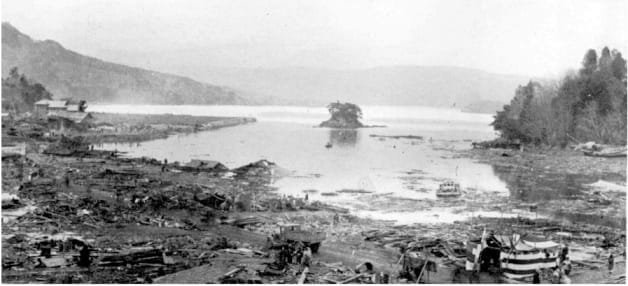
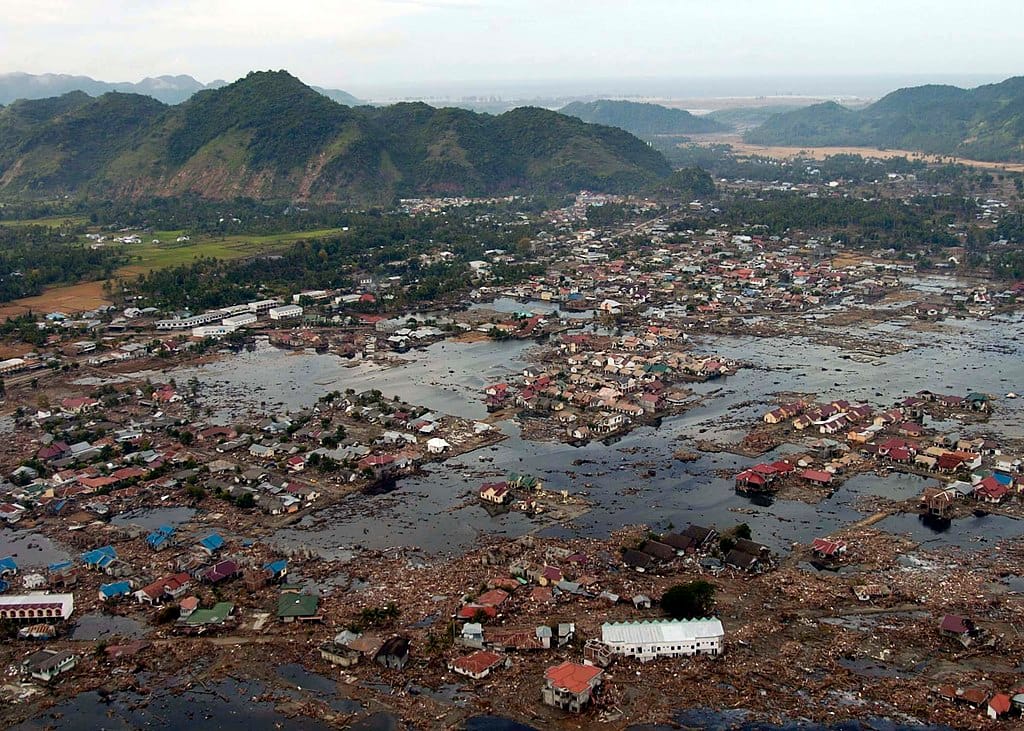
When the waves finally crashed, their impact was swift and indiscriminate. Along the northern and eastern shores of Espiritu Santo, entire villages were submerged within minutes. The tsunami waves reached heights up to 10 meters in certain locations, carrying with them a deadly cargo of debris and destruction.
Homes built close to the water’s edge were obliterated. Coconut groves were flattened, infrastructure was swept away, and the earth was scarred by the saltwater’s corrosive force. The tsunami’s power pressed people against rocks, tore them from their homes, or claimed those unable to flee the deluge in time.
Human Stories of Survival and Loss
Stories pouring out from survivors painted vivid pictures of heroism, tragedy, and community spirit. One fisherman told how he survived by clinging to a tree branch for hours as the waters receded. Another family lost multiple members in the chaos, yet found strength in shared grief to rebuild their lives.
Aid workers mentioned the overwhelming challenge of visiting isolated communities, many cut off by damaged roads or washed-out bridges. The human cost was measured not only in lives lost — estimated at dozens in the initial event — but in the fractured soul of a society confronting sudden, profound trauma.
Emergency Response in an Archipelago Struggling to Breathe
In the immediate hours and days following the tsunami, local authorities scrambled to assess damage and coordinate relief. However, the remoteness and weak infrastructure of Espiritu Santo complicated efforts. Roads, ports, and communication lines were impaired, limiting both internal mobility and the capacity to receive and distribute international aid efficiently.
Medical teams faced a surge in injuries—from drowning and blunt trauma to infections stemming from contaminated water. Shelters had to be rapidly constructed as families were displaced, and food and water supplies became scarce. The government declared a state of emergency, mobilizing limited resources and calling for global assistance.
International Aid and the Slow March to Recovery
The world responded to Vanuatu’s plea for help. Neighboring Pacific nations like Fiji, Australia, and New Zealand sent humanitarian teams, food supplies, and medical aid. International NGOs began assessments, prioritizing rebuilding schools, hospitals, and water systems.
But recovery was slow and uneven. Many communities remained isolated, with fragile supply chains and persistent vulnerability to secondary disasters such as landslides and outbreaks of disease. The tsunami revealed the pressing need for greater investment not only in emergency response but also in long-term resilience strategies.
Environmental Devastation: The Aftermath on Marine and Terrestrial Ecosystems
Beyond the human and structural damage, the tsunami’s environmental impact was profound. Coral reefs, critical to fisheries and coastal protection, were heavily damaged by the force of the waves and subsequent sedimentation. Mangrove forests, which buffer against coastal erosion, were uprooted and degraded.
On land, the saltwater intrusion poisoned farmlands, imperiling subsistence crops and natural vegetation. This environmental degradation threatened food security for months and increased dependency on external aid, exacerbating the archipelago’s challenges.
The Socio-Economic Toll: Livelihoods Washed Away
Fishing and agriculture, two pillars of life on Espiritu Santo, took a massive hit. Fishing nets, boats, and equipment were lost or destroyed. Fields contaminated with saltwater became temporarily infertile. Small businesses linked to tourism saw declines as infrastructure was damaged and visitor confidence waned.
Economists estimated damage and losses in the tens of millions of US dollars — a colossal sum for a country with a modest GDP. However, the true cost was also societal, as families struggled with lost income, disrupted education, and fractured social networks.
Cultural Resilience and Traditional Knowledge in Disaster Response
Amid the devastation, many communities turned to ancestral wisdom to navigate trauma and recovery. Oral histories, traditional emergency signals, and community cohesion played a crucial role in survival and rehabilitation.
Certain villages utilized elevated areas known from generations past as safe grounds during floods. Rituals and communal gatherings became vital in rebuilding morale and preserving cultural identity. This blend of tradition and modern aid formed the backbone of a uniquely Vanuatuan response to disaster.
Rebuilding a Community: From Ruins to Renewal
The reconstruction phase took years. Architects and planners emphasized "building back better," incorporating earthquake-resistant structures and elevated buildings. Local leadership rose to prominence, coordinating grassroots efforts with government and international players.
Renewed attention was given to improving early warning systems, education campaigns about natural hazards, and diversifying livelihoods to reduce vulnerability. New schools, clinics, and community centers gradually reemerged, testifying to collective determination.
Lessons Learned: Tsunami Preparedness and Awareness in the Pacific
The 1999 tsunami caught Vanuatu largely unprepared, but the event sparked significant change. National and regional discussions about investing in seismic and tsunami monitoring quickly gained traction. Training programs for community first responders were launched, and signage about tsunami evacuation routes appeared.
Vanuatu became part of a broader Pacific effort to strengthen disaster risk reduction — an ongoing process that highlights the precarious balance small island nations face in a warming, geologically active world.
Remembering 1999: Memorials, Memory, and Identity
For survivors and descendants, remembrance is a solemn duty. Public memorials have been established in Espiritu Santo to honor those lost and to remind future generations of nature’s double-edged gift. Annual commemorations weave together grief, resilience, and hope.
Educational initiatives incorporate the 1999 tsunami into curricula, blending scientific understanding with local narratives. This memory shaping reinforces a sense of shared identity and collective responsibility.
The 1999 Vanuatu Tsunami in Global Context: A Pacific Wake-Up Call
Though overshadowed by larger tsunamis elsewhere, the Vanuatu event reverberated across the Pacific basin. It underscored the vulnerabilities of island nations and challenged international agencies to widen their definition of “high-risk zones.”
In many ways, it was a crucial addition to the growing corpus of knowledge that would culminate in improved warning systems, such as those that saved thousands during the 2004 Indian Ocean tsunami. Vanuatu’s experience contributed to a global dialogue about equity and attention in disaster preparedness.
Scientific Advances Triggered by the Event
In the wake of the tsunami, researchers intensified studies on subduction zone earthquakes and related tsunami mechanics in the southwest Pacific. New oceanographic instruments were deployed, and seismic networks expanded.
Vanuatu became something of a living laboratory for understanding tectonic hazard interactions with island geographies. These insights helped improve models to predict future events, benefiting not only Vanuatu but neighboring nations.
Espiritu Santo Today: A Landscape and Society Transformed
Two decades later, Espiritu Santo is a place marked by regeneration and transformation. Roads are improved, infrastructure is sturdier, and emergency plans more robust. Yet the traces of 1999 linger—in scars on the earth, in memorial plaques, and in stories passed down.
Communities continue to balance development with ecological stewardship. Tourism thrives, with visitors drawn not only to natural beauty but also a history shaped by endurance. The island stands as a testament to human resilience in the face of relentless natural forces.
Conclusion
The 1999 Vanuatu tsunami was a sobering reminder of our planet’s unpredictable and overwhelming power. Yet embedded within the devastation was a profound narrative of human strength. The people of Espiritu Santo, thrust into chaos and loss, rose in the aftermath to rebuild their homes and lives, blending tradition with innovation.
Their story is a beacon not simply of survival, but of adaptation and hope — crucial lessons for any community living on the edge of the earth’s fiery and watery forces. As the waves recede into history, the legacy they leave is one of respect, preparedness, and unyielding spirit.
FAQs
Q1: What caused the 1999 Vanuatu tsunami?
A: The tsunami was triggered by a magnitude 7.4 earthquake resulting from the sudden movement of a subduction fault between the Australian and Pacific tectonic plates near Espiritu Santo.
Q2: How many people were affected by the tsunami?
A: While exact numbers vary, dozens lost their lives, and thousands were displaced or impacted by property loss and environmental damage.
Q3: Did Vanuatu have a tsunami warning system in 1999?
A: No, at the time, Vanuatu had limited early warning infrastructure, which contributed to the high vulnerability of its population.
Q4: What kind of aid was provided after the disaster?
A: Regional neighbors and international organizations sent medical aid, food, building materials, and participated in reconstruction efforts.
Q5: How has the event influenced disaster preparedness in Vanuatu?
A: The tsunami underscored the need for improved monitoring, early warning systems, community education, and resilient infrastructure, leading to strengthened national policies.
Q6: Are there memorials to commemorate the tsunami victims?
A: Yes, several memorial sites and annual remembrance ceremonies exist to honor those lost and to educate future generations.
Q7: How did the tsunami affect the environment?
A: It severely damaged coral reefs, mangrove forests, and farmland through saltwater intrusion and physical destruction, impacting biodiversity and local livelihoods.
Q8: What lessons can other Pacific island nations learn from the 1999 Vanuatu tsunami?
A: The importance of early warning systems, community education, environmental conservation, and integrating traditional knowledge with modern disaster management.