Table of Contents
- Introduction
- The Roaring Twenties Economic Boom
- Warning Signs and Market Speculation
- October 1929: The Crash Begins
- Black Thursday: October 24, 1929
- Black Monday and Black Tuesday
- Panic Selling and Investor Despair
- Government Reaction and Inaction
- Global Domino Effect
- The Great Depression Unfolds
- Financial Reforms and Lessons Learned
- Cultural and Psychological Impact
- Conclusion
- External Resource
- Internal Link
1. Introduction
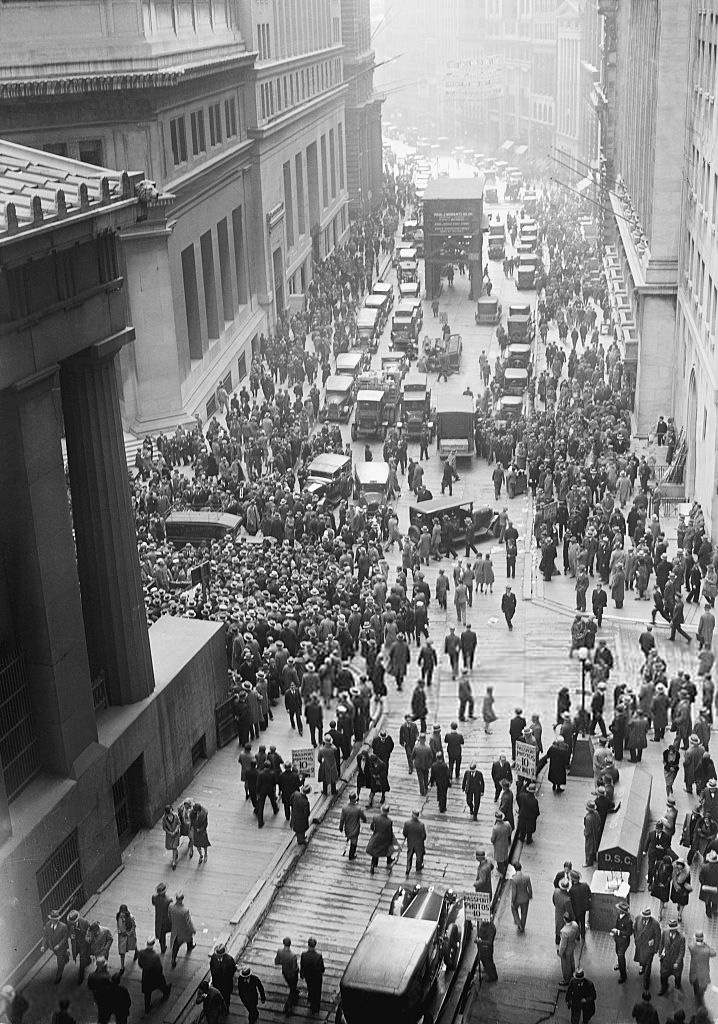
The Wall Street Crash of 1929 wasn’t just a stock market tumble—it was a seismic event that shook the global economy. October 24, 1929, later dubbed Black Thursday, marked the beginning of the end for the prosperity of the 1920s and ignited the worst economic crisis in modern history.
2. The Roaring Twenties Economic Boom
✔️ Rapid industrial growth in the U.S.
✔️ Mass production, consumer credit, and speculation thrived
✔️ Stock ownership expanded beyond the wealthy elite
The illusion of endless growth fueled overconfidence in the markets.
3. Warning Signs and Market Speculation
✔️ Stock prices soared beyond real value
✔️ Margin buying became rampant
✔️ Economists warned of instability, but few listened
Beneath the glittering surface, the financial system was dangerously unbalanced.
4. October 1929: The Crash Begins
✔️ Early October: market shows volatility
✔️ October 23: stocks begin to fall
✔️ Panic creeps in as rumors of trouble spread
Investors started to realize that the bubble might burst.
5. Black Thursday: October 24, 1929
✔️ 12.9 million shares traded—a record
✔️ Banks and financiers attempted to stabilize the market
✔️ Temporary recovery in afternoon trading
Despite interventions, the underlying panic couldn’t be contained.
6. Black Monday and Black Tuesday
✔️ October 28 (Monday): market plummets again
✔️ October 29 (Tuesday): 16 million shares traded, massive losses
✔️ Billions of dollars evaporated
Investors, banks, and companies were wiped out.
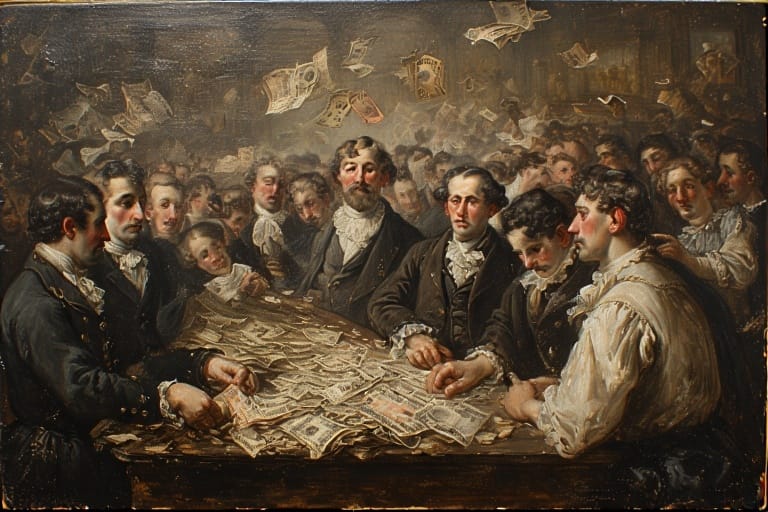
7. Panic Selling and Investor Despair
✔️ Margin calls triggered mass selloffs
✔️ Ordinary people lost life savings
✔️ Suicides, bankruptcies, and financial ruin became common
Wall Street became a symbol of broken dreams.
8. Government Reaction and Inaction
✔️ President Herbert Hoover urged calm
✔️ The Federal Reserve hesitated to act aggressively
✔️ No social safety nets existed at the time
The lack of coordinated response worsened the crisis.
9. Global Domino Effect
✔️ European banks and markets crashed
✔️ Trade declined, unemployment soared worldwide
✔️ Colonial economies suffered severe consequences
The Great Depression became a global catastrophe.
10. The Great Depression Unfolds
✔️ U.S. GDP fell by nearly 30%
✔️ Unemployment reached 25% in the U.S.
✔️ Homelessness, hunger, and hardship spread across nations
For many, the 1930s meant survival, not prosperity.
11. Financial Reforms and Lessons Learned
✔️ Creation of the SEC and stricter market regulations
✔️ Glass-Steagall Act separated commercial and investment banking
✔️ Rise of social safety programs under the New Deal
These reforms aimed to prevent future collapses.
12. Cultural and Psychological Impact
✔️ The Crash shattered trust in capitalism for many
✔️ Influenced literature, film, and art of the 1930s
✔️ Scarcity mindset persisted for decades
The trauma of the crash shaped generations.
13. Conclusion
The Wall Street Crash of 1929 was more than a market downturn—it was a turning point in world history. It exposed systemic flaws, humbled economic optimism, and set the stage for sweeping changes. Its legacy continues to shape how we view finance, risk, and economic stability.
14. External Resource
🌐 Wikipedia: Wall Street Crash of 1929