Table of Contents
- Introduction
- The Road to Marrakesh
- From GATT to WTO: Evolution of Trade Frameworks
- The Marrakesh Agreement Explained
- Objectives and Principles of the WTO
- Member Nations and Governance
- WTO Functions and Role in Trade Disputes
- Early Challenges and Criticisms
- The WTO’s Impact on Global Trade
- Ongoing Debates and Reforms
- WTO in the 21st Century
- Conclusion
- External Resource
- Internal Link
1. Introduction
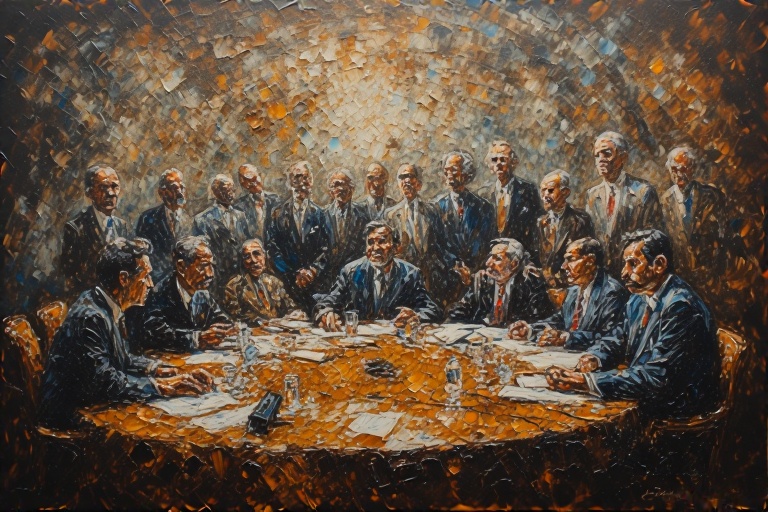
On April 15, 1994, in Marrakesh, Morocco, 123 nations gathered to sign what would become a milestone in international economic history—the agreement establishing the World Trade Organization (WTO). Born from decades of negotiations, the WTO would replace the General Agreement on Tariffs and Trade (GATT) and usher in a new era of structured, rules-based global commerce.
2. The Road to Marrakesh
✔️ GATT, formed in 1947, served as the early post-WWII trade framework
✔️ Aimed at reducing tariffs and boosting economic recovery
✔️ Over time, it became clear that GATT lacked enforcement power and scope
As global economies grew more interdependent, the limitations of GATT spurred interest in a more robust institution.
3. From GATT to WTO: Evolution of Trade Frameworks
✔️ The Uruguay Round (1986–1994) of trade negotiations laid the groundwork
✔️ Included new areas like services, intellectual property, and agriculture
✔️ Resulted in the Marrakesh Agreement, formally establishing the WTO
Unlike GATT, the WTO provided a permanent institutional structure with legal backing.
4. The Marrakesh Agreement Explained
✔️ Signed by 123 countries
✔️ Composed of legal texts covering 29 agreements
✔️ Includes the Agreement on Trade-Related Aspects of Intellectual Property Rights (TRIPS) and General Agreement on Trade in Services (GATS)
It was one of the most comprehensive international agreements ever negotiated.
5. Objectives and Principles of the WTO
✔️ Promote free and fair trade globally
✔️ Ensure predictability and transparency in trade policies
✔️ Settle trade disputes through a structured legal process
✔️ Support developing nations in trade participation
These goals reflect the organization’s broader mission of economic cooperation.
6. Member Nations and Governance
✔️ Initially 123 members; currently over 160
✔️ Decisions are made by consensus in the Ministerial Conference
✔️ Daily operations handled by the General Council
Each country, regardless of economic size, has one vote.
7. WTO Functions and Role in Trade Disputes
✔️ Administering WTO agreements
✔️ Acting as a forum for negotiations
✔️ Monitoring trade policies of members
✔️ Providing technical assistance to developing countries
✔️ Settling disputes through the Dispute Settlement Body (DSB)
This structure brought legal certainty to trade conflicts.
8. Early Challenges and Criticisms
✔️ Allegations of favoring developed nations
✔️ Concerns about environmental and labor standards
✔️ Protests during Ministerial Conferences (e.g., Seattle 1999)
Despite its ambitions, the WTO has faced intense scrutiny from activists and scholars alike.
9. The WTO’s Impact on Global Trade
✔️ Trade volumes have significantly increased since 1994
✔️ More countries have integrated into the global economy
✔️ Trade disputes are resolved more systematically
The WTO has played a central role in liberalizing trade, especially for emerging economies.
10. Ongoing Debates and Reforms
✔️ Calls to reform the dispute settlement mechanism
✔️ Struggles with reaching consensus on agricultural subsidies
✔️ Debates over digital trade and climate change policies
Many argue that the WTO must evolve to address 21st-century challenges.
11. WTO in the 21st Century
✔️ Ongoing efforts to include digital commerce and e-commerce
✔️ Increased participation from least-developed countries (LDCs)
✔️ Greater focus on sustainable development and global health
As globalization transforms, the WTO’s adaptability remains crucial.
12. Conclusion
The creation of the World Trade Organization in 1994 marked a profound turning point in global economic history. By establishing clear rules and enforcement mechanisms, the WTO fostered stability, transparency, and growth in world trade. While not without flaws, it remains a cornerstone of international economic governance, influencing the lives of billions through commerce, development, and cooperation.
13. External Resource
🌐 Wikipedia: World Trade Organization