Table of Contents
- The Calm Before the Tremor: Zakynthos in 2018
- A Night Shaken: The Earthquake of October 25
- Seismic Roots: Understanding Greece’s Tectonic Setting
- The Underlying Fury: Causes Behind the Zakynthos Quake
- The Immediate Aftermath: Chaos, Confusion, and Courage
- Stories from the Ground: Eyewitness Accounts and Human Drama
- The Response Mobilized: Emergency Services and Community Solidarity
- Structural Damage: The Toll on Homes and Heritage
- Economic Shocks: Tourism, Commerce, and Reconstruction Needs
- Psychological Impact: Trauma and Resilience in the Island’s Soul
- The Scientific Race: Measuring and Analyzing the Quake’s Power
- History Repeats: Previous Earthquakes in Zakynthos and Lessons Learned
- National and International Aid: Greece’s Solidarity Network
- The Role of Media: Live Coverage and Global Awareness
- Long-Term Urban Planning: Adapting Zakynthos for Future Risks
- Cultural Memory: How Zakynthos Remembers the 2018 Earthquake
- The Global Context: Earthquakes in the Mediterranean and Their Trends
- Voices of Hope: Rebuilding Not Just Infrastructure, but Lives
- Technological Advances: Can Innovation Mitigate Future Disasters?
- Policy Changes: How Greece Changed After Zakynthos 2018
- Conclusion: The Tremor That Echoes Beyond the Island
- Frequently Asked Questions
- External Resource
- Internal Link
1. The Calm Before the Tremor: Zakynthos in 2018
On the evening of October 25, 2018, the Greek island of Zakynthos basked under a gentle autumn sky. The Mediterranean chill mixed subtly with the late warmth of a fading summer. Cafés hummed softly with tourists savoring local wines, and fishermen prepared their boats for the next day’s early catch. Streets lined with palm trees and Byzantine churches stood peacefully, as if holding their breath for what was to come. This tranquility, so characteristic of this Ionian gem, was to be violently interrupted.
Zakynthos, known for its turquoise bays, dramatic cliffs, and laid-back charm, is a place that feels eternal. Yet, beneath this serene surface churns an ancient, restless earth. As night deepened, few could anticipate the sudden tremor that would ripple through stone and soul, forever altering this island’s narrative.
2. A Night Shaken: The Earthquake of October 25
At exactly 11:10 PM, a sharp jolt shattered the stillness. The ground beneath Zakynthos convulsed with a sudden violence—a magnitude 6.4 earthquake, centered just off the southwestern coast. Walls cracked, lamps swung from ceilings, and windows shattered, echoing through narrow streets like thunder.
Panic surged as residents scrambled into the night, heartbeats matching the aftershocks that rippled mother earth’s restless veins. Phones buzzed with urgent messages; neighbors checked on one another in the dark. Moments that seemed endless passed as the island stood trembling.
Yet, despite the weight of destruction, there was no utter collapse. No catastrophic loss of life. This was a night of fracture and fear, but also of survival and solidarity.
3. Seismic Roots: Understanding Greece’s Tectonic Setting
To grasp the enormity of the Zakynthos earthquake, one must understand Greece’s volatile geological identity. Situated at the crossroads of the African and Eurasian plates, Greece is essentially born from tectonic drama. The Ionian Islands, including Zakynthos, perennially ride atop the Hellenic Arc—a complex subduction zone where one plate plunges beneath another, generating frequent earthquakes and volcanic activity.
This region is among Europe’s most seismic hotspots, where deep earth forces convert into surface violence. The island itself rests on a mosaic of fault lines, hidden beneath its verdant hills and sapphire seas, waiting for moments such as that autumn night.
4. The Underlying Fury: Causes Behind the Zakynthos Quake
What precisely triggers an earthquake like Zakynthos’s in 2018? The answer lies in the relentless motion of tectonic plates. Over centuries, stress accumulates along fault lines in the earth’s crust until it exceeds the rocks’ strength.
On October 25, the locked segment of an offshore fault suddenly slipped, releasing accumulated energy in the form of seismic waves radiating outward. The depth of the earthquake—around 14 kilometers—coupled with the underwater epicenter, contributed to both shaking intensity and the risk of tsunamis (which, thankfully, did not materialize).
Understanding these mechanics underlines the inevitability of such events in seismic zones and the human challenge of coexistence.
5. The Immediate Aftermath: Chaos, Confusion, and Courage
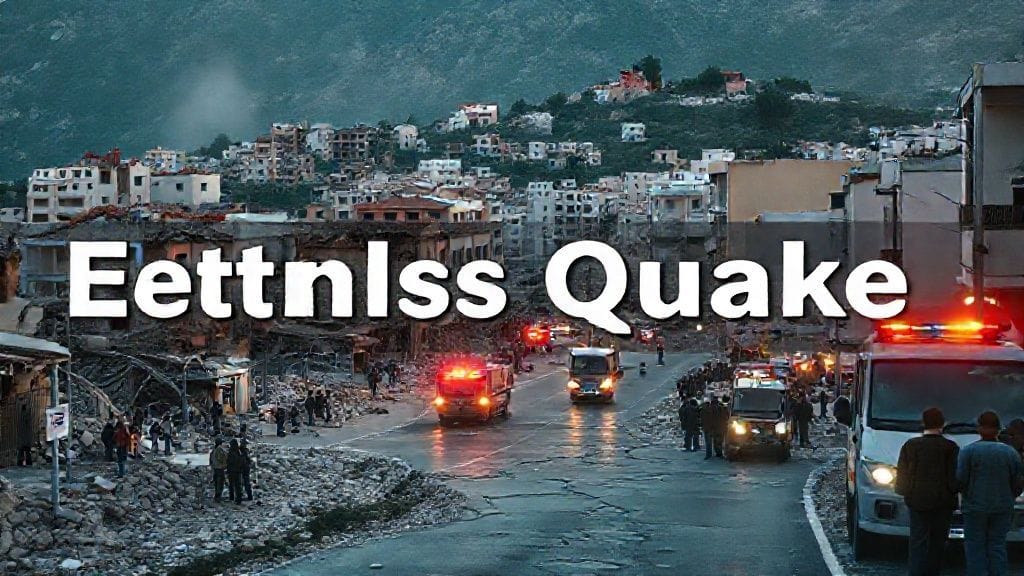
In the minutes following the quake, Zakynthos was a portrait of both devastation and determination. Streets were strewn with debris. Partial building collapses confined trapped inhabitants. Power outages flickered, adding to the eerie darkness. Ambulances began their siren song, weaving through damaged roads.
Yet, amid confusion, stories of courage emerged. Local volunteers braved unsafe structures to evacuate families. The island’s emergency services mobilized rapidly despite limited resources. Fishermen offered boats to potential evacuation if needed. This galvanized spirit became the island’s backbone in the following days.
6. Stories from the Ground: Eyewitness Accounts and Human Drama
Maria Papadopoulos, a schoolteacher, recounted the shaking as “like standing on a ship in a storm that never ends.” Her students huddled together in a courtyard after the quake, faces pale but eyes wide with resilience. The elderly couple in her neighborhood survived due to neighbors’ quick actions.
Another tale comes from Giorgos, a fisherman: “I felt the sea pull back strangely before the waves hit shore. It was eerie but pushed me to help others.” These personal narratives breathe humanity into the geological event, revealing the quake’s intimate impact on lives.
7. The Response Mobilized: Emergency Services and Community Solidarity
Greek authorities swiftly declared a state of emergency on Zakynthos, with support pouring from mainland Greece. Rescue teams, equipped with medical supplies and search dogs, combed through rubble. Temporary shelters were set up in schools and community centers.
International aid, though not monumental, included offers from neighboring countries experienced in seismic disasters. Local churches opened doors for displaced families, and NGOs intensified psychosocial support. The island’s tight-knit communities echoed an ancient tradition of collective care in adversity.
8. Structural Damage: The Toll on Homes and Heritage
Damage assessments revealed hundreds of homes cracked, with dozens deemed unsafe for habitation. Traditional stone houses, architectural relics of centuries, bore the brunt of the shaking. Public buildings, including schools and municipal offices, required extensive repairs.
Significantly, some historic sites—churches with Byzantine frescoes and centuries-old bell towers—suffered partial destruction, stirring fears of cultural loss. Preservationists and architects quickly began surveying damage, contemplating an urgent balance between restoration and seismic reinforcement.
9. Economic Shocks: Tourism, Commerce, and Reconstruction Needs
Zakynthos thrives on tourism, with millions drawn annually to its beaches and natural wonders. The earthquake coincided with post-tourist season but cast a shadow on the impending winter and next spring.
Businesses closed temporarily; job insecurity surged. Reconstruction costs threatened to unsettle fragile local economies. Nevertheless, initiatives to rebuild better with earthquake-resistant standards brought hope, supported by government grants and European funds.
10. Psychological Impact: Trauma and Resilience in the Island’s Soul
Beyond bricks and mortar, the earthquake left an invisible scar. Psychologists reported heightened cases of anxiety, nightmares, and post-traumatic stress symptoms among residents, especially children and the elderly.
Mental health interventions became as vital as physical rebuilding. Community leaders organized dialogues and cultural events to help process trauma, believing the island’s identity intertwined with resilience—not just physical survival but emotional recovery.
11. The Scientific Race: Measuring and Analyzing the Quake’s Power
Seismologists nationwide monitored the event meticulously. Instruments recorded dozens of aftershocks, some exceeding magnitude 4. The data fed global earthquake networks, aiding understanding of the Ionian region’s seismic behavior.
Research focused on fault mechanics and wave propagation contributed to updated hazard maps and urban planning codes. Indeed, Zakynthos became a living laboratory, demonstrating how science and society intersect in disaster preparedness.
12. History Repeats: Previous Earthquakes in Zakynthos and Lessons Learned
Zakynthos is no stranger to earthquakes. The destructive 1953 Ionian earthquake killed over 400 people and leveled much of the island infrastructure. Compared to that tragedy, 2018’s shaking, while severe, was relatively contained.
Historical memories informed emergency protocols, but the event revealed gaps—prompting renewed investment in building codes and public education. The island’s layered past highlights the cyclical nature of seismic risk and human adaptation.
13. National and International Aid: Greece’s Solidarity Network
In the aftermath, the Greek government swiftly allocated emergency funds. Regional authorities coordinated with the Hellenic Fire Service, medical teams, and the military. The European Union’s Civil Protection Mechanism was alerted, though the event did not escalate to full activation.
Neighboring island communities offered moral and logistical support, emphasizing a mosaic of solidarity in times of crisis—a testament to the interconnectedness of Mediterranean life.
14. The Role of Media: Live Coverage and Global Awareness
Media outlets, both local and international, broadcast the quake with immediacy. Television showed footage of shaking buildings and residents in evacuation. Social media became an essential platform for information sharing and community support.
Journalists balanced the urgency of news with sensitivity towards victims, while photographers captured haunting images that told more than words could—images of an island poised between destruction and hope.
15. Long-Term Urban Planning: Adapting Zakynthos for Future Risks
Post-quake, urban planners faced a daunting task. New zoning laws integrated seismic risk assessments; reconstruction aimed at earthquake-resistant designs.
Innovative engineering solutions—such as base isolation and flexible structures—were considered to preserve both safety and aesthetic heritage. This transformation represents not only physical rebuilding but a cultural shift towards living with geological reality.
16. Cultural Memory: How Zakynthos Remembers the 2018 Earthquake
The island’s spirit manifests in collective memory rituals. Annual commemorations include prayers, storytelling sessions, and exhibitions of photographs and artifacts.
Local artists rendered the earthquake experience into paintings and poems, weaving it into Zakynthos’s rich cultural tapestry. Memory became a source of learning and identity, reminding future generations of vulnerability and strength.
17. The Global Context: Earthquakes in the Mediterranean and Their Trends
The Zakynthos quake fits a broader Mediterranean pattern of seismic unrest. Similar tremors in Italy, Turkey, and Cyprus underscore the region’s fragile geological balance.
Scientists debate whether climate change or human activities influence seismicity, but consensus points to meticulous preparedness as humanity’s best defense. Zakynthos’s experience echoes beyond its shores, contributing vital data and lessons.
18. Voices of Hope: Rebuilding Not Just Infrastructure, but Lives
Despite the trauma, stories abound of renewal. Residents speak of stronger community ties, innovative rebuilding projects, and new disaster awareness programs in schools.
Local entrepreneurs launched initiatives to boost tourism with earthquake awareness themes, adding depth to visitors’ experience. The island’s future emerged as a narrative of hope married to hard-earned wisdom.
19. Technological Advances: Can Innovation Mitigate Future Disasters?
Emerging technologies promise greater earthquake resilience. From drone surveys of damaged sites to early warning systems linked to smartphone apps, Zakynthos has become a testing ground for innovation.
Seismic sensors are being upgraded, and information networks improved to ensure quicker response times. The 2018 event catalyzed investment that may safeguard the island and collect invaluable insights for global application.
20. Policy Changes: How Greece Changed After Zakynthos 2018
The government revised emergency management protocols and accelerated the retrofitting of public buildings nationwide. Funding for seismic research increased, and public education campaigns were amplified.
Zakynthos’s quake served as a wake-up call, reminding Greece and the international community that disaster preparedness is never optional but essential.
21. Conclusion: The Tremor That Echoes Beyond the Island
The October 25, 2018, earthquake in Zakynthos was more than a geological event; it was a profound human moment. In the rupture of earth, stories of fear, loss, courage, and hope intertwined. The island’s people, heritage, and future were forever touched by this tremor—one that echoed far beyond their shores.
Zakynthos stands today not just as a witness to nature’s fury but as a beacon of resilience, showing how history’s harsh lessons can foster a stronger, wiser, and more united community.
Frequently Asked Questions
Q1: What caused the Zakynthos earthquake on October 25, 2018?
A1: The earthquake was caused by the sudden slip of a fault line within the Hellenic Arc subduction zone, where the African tectonic plate moves beneath the Eurasian plate, releasing stored geological stress.
Q2: Were there casualties or fatalities from the earthquake?
A2: Fortunately, there were no reported deaths. Some injuries occurred, but emergency responses and preparedness minimized loss of life.
Q3: How did the 2018 earthquake compare to previous quakes on Zakynthos?
A3: The 2018 event was significant but less destructive than the 1953 Ionian earthquake, which devastated the island and caused hundreds of deaths.
Q4: What was the impact on tourism and the local economy?
A4: The quake caused temporary closures of businesses and a downturn in tourism in the short term but also led to reconstruction efforts, creating jobs and improving infrastructure.
Q5: How did the community respond immediately after the earthquake?
A5: Local residents, volunteers, and emergency services quickly mobilized, providing shelter, aid, and support, showcasing strong community solidarity.
Q6: What measures have been taken to prevent future earthquake damage in Zakynthos?
A6: The government has enforced stricter building codes, promoted seismic retrofitting, and improved emergency preparedness programs.
Q7: How is the 2018 earthquake remembered culturally on the island?
A7: Through annual commemorations, art, storytelling, and educational programs, the earthquake is embedded in Zakynthos’s collective memory.
Q8: What role did technology play in managing the earthquake’s aftermath?
A8: Seismic monitoring, data analysis, social media communication, and innovative reconnaissance tools played central roles in crisis management and recovery planning.