Table of Contents
- The Quiet Morning Shattered: The Antsirabe Earthquake's Sudden Awakening
- Madagascar’s Geological Backdrop: A Land of Calm Tectonics or Hidden Threats?
- Antsirabe Before the Quake: Life in the “City of Waters”
- The Day the Ground Trembled: February 28, 1989, Unfolds
- Immediate Human Response: Fear, Heroism, and Chaos in Antsirabe
- The Scale of Destruction: Buildings, Infrastructure, and Devastated Lives
- The Government's Mobilization: Emergency Measures and Challenges
- Human Stories Amid Ruins: Voices from Survivors and Rescuers
- The Role of International Aid: Global Solidarity and Madagascar’s Needs
- Scientific Analysis: Understanding the Earthquake’s Mechanics
- Madagascar’s Seismic History: Was the 1989 Earthquake an Anomaly?
- Rebuilding Antsirabe: The Slow Path to Recovery
- Economic Impact: From Local Trauma to National Repercussions
- Cultural and Social Effects: Community Bonds Tested and Strengthened
- The Earthquake in Memory: Commemorations and Historical Narratives
- Lessons Learned: Preparedness, Infrastructure, and Awareness
- Geological Research Post-1989: How Antsirabe Changed the Science
- Comparing Antsirabe 1989 to Other African Earthquakes: A Continental Perspective
- Long-term Urban Planning Changes: Towards a More Resilient Antsirabe
- The Earthquake’s Place in Madagascar’s Story: More Than Just a Disaster
- Conclusion: Resilience from Ruins – A City’s Enduring Spirit
- FAQs: Understanding the Antsirabe Earthquake of 1989
- External Resource
- Internal Link
1. The Quiet Morning Shattered: The Antsirabe Earthquake's Sudden Awakening
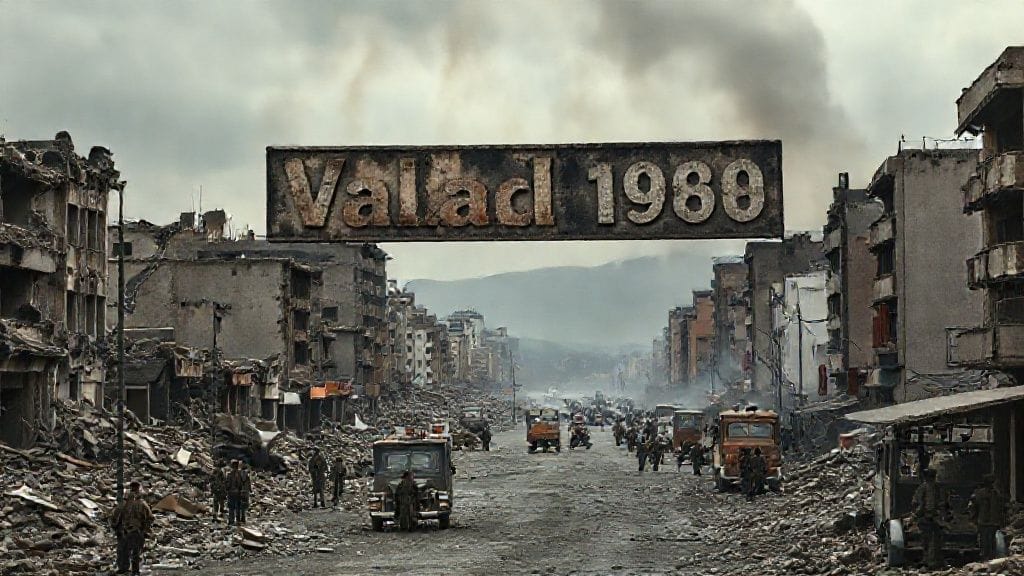
The chilly dawn air of February 28, 1989, in Antsirabe was thick with calm expectancy, the kind that blankets many mornings in this Malagasy city known for its mineral springs and colonial architecture. People were starting their daily rhythms—market stalls opening, church bells ringing softly, and children hesitantly stepping onto the cracked pavements. But the hush would soon be broken, brutally and without warning.
At 8:47 AM local time, the earth tore itself apart beneath Antsirabe—an intense, trembling roar rolling through the hills and valleys. Buildings, some centuries old and sturdy by local standards, began to sway like fragile reeds buffeted by a sudden storm. Windows shattered, dust clouds billowed, and in moments, a city that had lived peacefully in its bubble was thrust into chaos. The ground beneath people’s feet was no longer a steady foundation but a treacherous beast.
This earthquake was a moment of reckoning—a brutal acknowledgement that beneath Madagascar’s seeming tranquility lurked deep geological forces, capable of disrupting lives and shaking a nation’s sense of security. But it was also a story of human endurance, community solidarity, and the slow, painstaking return to normalcy after nature’s strike.
2. Madagascar’s Geological Backdrop: A Land of Calm Tectonics or Hidden Threats?
Madagascar, the world’s fourth-largest island, situated off the southeast coast of Africa, has always been considered relatively safe from major earthquakes. Unlike the Pacific “Ring of Fire” nations, Madagascar’s geological makeup suggested a passive stability, embedded in the ancient Precambrian shield of Gondwana remnants.
However, beneath this surface calm, complex tectonic dynamics were at play. The African and Indo-Australian plates, as well as microplates shaped by the separation of Madagascar roughly 88 million years ago, exert subtle pressures. This stationarity, misleading for locals and scientists alike, masked the potential for seismic surprises, particularly along faults like the Ranotsara Transverse, near which Antsirabe is located.
The 1989 earthquake would expose these hidden dangers. It served as a brutal lesson: Madagascar, while spared the regular, violent tectonic convulsions many parts of the world endure, was not immune to geological unrest. The island’s volcanic highlands and rift formations bore witness to slow but persistent stress accumulation beneath.
3. Antsirabe Before the Quake: Life in the “City of Waters”
Antsirabe, nestled 1,500 meters above sea level on the central highlands, was a city with a rich colonial history—a legacy of French occupation that shaped its architecture, urban layout, and social fabric. Known as the “City of Waters” due to its numerous thermal springs, the town attracted both tourists and locals seeking health and respite.
In the late 1980s, Antsirabe was a bustling hub of regional trade, agriculture, and small industry. Its streets were alive with Malagasy vendors and artisan workshops, church-going families, and students from the local institutions. The vibrant markets sold everything from spices to handmade crafts, framed by a backdrop of volcanic hills, rice paddies, and eucalyptus groves.
Despite the serene setting, infrastructure was a mix of colonial stone buildings and more recent, modest constructions. Urban planning had adapted slowly to the growth pressures, and disaster preparedness was minimal—earthquakes were not part of everyday reasoning for the city’s residents.
4. The Day the Ground Trembled: February 28, 1989, Unfolds
That Tuesday morning started no differently from others, but at precisely 8:47 AM, the slumbering earth betrayed Antsirabe’s tranquility. The earthquake struck with a magnitude estimated at 5.0 to 5.5—a moderate but highly destructive shock given the city’s unpreparedness.
The shaking lasted nearly 30 seconds, but in that brief window chaos unfurled. Doors twisted off hinges under pressure; rooftops cracked and caved; streets fractured into jagged scars. As the tremors subsided, a dicier threat emerged—the fear of aftershocks and the unknown.
People fled into streets, clutching loved ones, eyes wide with disbelief. Shops closed abruptly, and markets emptied. The normal buzz of commerce and social life was replaced by a murmur of cries and whispered prayers. Somewhere, a church bell tolled warning, its somber chimes carrying far through the misty hills.
5. Immediate Human Response: Fear, Heroism, and Chaos in Antsirabe
In the aftermath, Antsirabe’s communities shifted swiftly between panic and compassionate resolve. Stories emerged of neighbors pulling injured friends from rubble, of strangers sharing water and shelter, and of local officials attempting to coordinate an improvised emergency response.
Yet, the sheer shock was palpable—phones were down, roads partially blocked, and medical facilities overwhelmed. Hospitals that survived the initial tremor became crowded with the wounded and anxious relatives. Volunteers, sometimes risking aftershocks, worked through the afternoon to locate missing persons and clear debris.
Despite limited resources, an instinctive solidarity took root. One anecdote recounts a local schoolteacher who transformed her classroom into a triage center, while taxi drivers ferried injured or stranded individuals across fragmented roads. It was a testament to the resilience of Antsirabe’s inhabitants and their ability to confront disaster with humanity.
6. The Scale of Destruction: Buildings, Infrastructure, and Devastated Lives
The earthquake’s destruction, though limited in magnitude by global standards, was highly concentrated and disproportionate given Antsirabe’s infrastructure. Over 300 homes were damaged or destroyed, including several historical structures dating back to the early 20th century. The iconic Thermes d’Antsirabe, a monument to the city’s spa culture, suffered partial collapse.
Public facilities were strained—schools were rendered unsafe, roads fractured, and power lines went down for days. The infrastructural damage threatened to isolate the city during a critical recovery window. Moreover, sanitary conditions worsened as water supply systems were disrupted, raising concerns about disease outbreaks.
Casualty numbers remain debated but estimates suggest dozens injured and at least a few fatalities, a tragic toll in a close-knit community. The psychological scars, however, were incalculable: a communal trauma that would resonate for decades.
7. The Government's Mobilization: Emergency Measures and Challenges
The Malagasy government, faced with a sudden natural disaster far from the capital Antananarivo, mustered resources with urgency. Emergency response units, including the army and civil protection agencies, were dispatched to Antsirabe. Yet, logistical hurdles compounded difficulties—mountainous terrain, damaged roads, and limited communications hampered coordination.
Authorities established temporary shelters and medical camps, while prioritizing water restoration and sanitation to prevent epidemics. Efforts to catalog damage and casualties began, though incomplete data initially slowed aid allocation.
More broadly, the earthquake triggered the first serious national dialogue on disaster preparedness in Madagascar’s post-independence era. Policymakers acknowledged the weaknesses exposed by the quake: fragile infrastructure, insufficient emergency protocols, and a lack of public awareness about seismic risks.
8. Human Stories Amid Ruins: Voices from Survivors and Rescuers
Beyond statistics and official reports lie the deeply human narratives that give this event its poignant weight. Jeanne, a local craftswoman, recounted how she was trapped under a collapsing wall but saved by a neighbor’s quick thinking. “The ground shook like a wild animal,” she said in a later interview. “I thought it was the end of everything, yet here I am—one hand crushed, but alive.”
A young nurse described the overwhelming influx of injured, many arriving on foot or carried by relatives, their faces etched with pain and disbelief. She spoke of fatigue, despair, but also of moments where shared determination sparked hope.
These stories weave a tapestry of collective strength, loss, and survival—a microcosm of humanity’s encounter with nature’s indifference.
9. The Role of International Aid: Global Solidarity and Madagascar’s Needs
Madagascar’s precarious economic conditions meant that, despite the earthquake’s regional nature, external assistance became critical. International humanitarian organizations responded, sending medical supplies, food, and expertise to complement local efforts.
France, Madagascar’s former colonial power, rapidly deployed disaster relief teams. The United Nations and NGOs such as the Red Cross mobilized funds and volunteers. Technical advisers also arrived to assess the structural safety of key buildings and recommend reconstruction strategies.
This external support highlighted the increasing interconnectedness of humanitarian efforts but also underscored the need for Africa’s island nations to build greater resilience independently.
10. Scientific Analysis: Understanding the Earthquake’s Mechanics
Seismologists pored over data from the 1989 Antsirabe event to better understand the unexpected seismicity. The quake originated along a poorly studied fault system within the central highlands, releasing accumulated stress in a sudden rupture.
Its mechanism was identified as a normal faulting event, characteristic of extensional tectonics linked to Madagascar’s slow but ongoing crustal adjustments. The depth of the focus, approximately 15 kilometers below the surface, was shallow enough to cause significant surface shaking despite the modest magnitude.
The event spurred new geological surveys on the island, revealing that Madagascar’s seismic hazard, though low compared to neighboring continental zones, was underestimated. This overturned long-standing scientific assumptions about the island’s geodynamics.
11. Madagascar’s Seismic History: Was the 1989 Earthquake an Anomaly?
Prior to 1989, Madagascar’s recorded seismicity was sparse and mild, fostering a widespread belief in the island’s immunity to earthquakes. Historical records noted only minor tremors or felt shocks without significant damage.
The Antsirabe earthquake, therefore, stood out as a pivotal moment—not just because of its damage, but because it challenged collective perceptions. It was not a unique glitch but a manifestation of an underappreciated seismic risk.
Subsequent minor quakes in the region and research into paleoseismology confirmed that while infrequent, seismic events were part of Madagascar’s natural history.
12. Rebuilding Antsirabe: The Slow Path to Recovery
Reconstruction did not happen overnight. The damage was patchy but demanded careful prioritization—vulnerable families needed shelter, schools had to be repaired, and the broken heart of the city had to be pieced back together.
Authorities and citizens alike faced economic constraints. Many homes were rebuilt with traditional materials, sometimes more resilient than modern concrete, blending vernacular wisdom with urgent necessity.
The process became a shared journey, with community meetings shaping priorities. International aid funds were funneled not just to rebuild but to improve infrastructure, reflecting lessons from the quake.
13. Economic Impact: From Local Trauma to National Repercussions
Antsirabe’s economy, largely based on agriculture, trade, and light manufacturing, suffered interruptions. Roads being blocked slowed the movement of goods, while damaged shops and workshops meant lost income for numerous families.
The regional economy reverberated with uncertainty, influencing employment and migration patterns. Some residents moved toward larger cities seeking opportunities, while others doubled down on restoring their livelihoods.
Nationally, the earthquake prompted debates about investment in rural infrastructure, disaster mitigation budgets, and economic diversification—issues that extended well beyond Antsirabe.
14. Cultural and Social Effects: Community Bonds Tested and Strengthened
Crises often lay bare the social fabric of societies. In Antsirabe, the earthquake strained but ultimately strengthened community relationships. Religious institutions played a key role, offering spiritual solace and organizing relief.
Traditional leaders and elders spearheaded negotiations over resources and helped stabilize disputes arising from the pressures of loss and displacement.
At the same time, trauma lingered. Some families never fully recovered from the loss of loved ones or their homes. Public memorials and oral histories became crucial in processing the collective grief and commemorating resilience.
15. The Earthquake in Memory: Commemorations and Historical Narratives
Over the decades, the 1989 Antsirabe earthquake has been woven into Madagascar’s national memory. Annual remembrances in the city honor those lost and recognize the courage displayed by first responders and ordinary citizens.
In schools, the event features in curricula to educate future generations about natural hazards and preparedness. Local museums and historical societies have archived photographs, documents, and testimonies, preserving this chapter of Antsirabe’s story.
More than a tragedy, the earthquake is a symbol of perseverance and the fragile relationship between humans and their environment.
16. Lessons Learned: Preparedness, Infrastructure, and Awareness
One of the earthquake’s lasting legacies was the awakening of Madagascar’s public and governmental consciousness regarding seismic risk. Emergency drills, early warning systems (though still rudimentary), and urban planning revisions were introduced in the years following.
Engineers increasingly advocated for seismic-resistant construction techniques adapted to local materials and conditions. Community education campaigns emphasized the importance of evacuation routes and safe shelters.
While challenges remain—resources are limited, and geographic remoteness complicates responses—the 1989 event laid the groundwork for improved disaster resilience.
17. Geological Research Post-1989: How Antsirabe Changed the Science
Research sparked by the quake led to expanded seismic monitoring networks on the island, enabling better detection and analysis of tremors. Malagasy universities and international partners collaborated on studies examining how Madagascar’s geology interacts with broader plate tectonic processes.
These findings enriched the scientific debate on intraplate earthquakes—seismic events occurring away from plate boundaries—and Madagascar became a case study in this rare but significant category.
Ultimately, Antsirabe’s earthquake became more than an isolated disaster; it was a vital clue in understanding the Earth’s restless crust beneath unexpected places.
18. Comparing Antsirabe 1989 to Other African Earthquakes: A Continental Perspective
Earthquakes in Africa, though less frequent than in Asia or the Americas, have nonetheless marked the continent’s history with sometimes devastating consequences. The East African Rift Valley, with its active fault lines, contrasts sharply with Madagascar’s calmer reputation.
The Antsirabe quake fits into a pattern of moderate but impactful seismic events that have occurred in seemingly stable zones—reminding geologists and policymakers that no region is entirely safe.
Comparisons with events in Ethiopia, Tanzania, and the Comoros Islands have helped shape continental approaches to hazard assessment and regional disaster cooperation.
19. Long-term Urban Planning Changes: Towards a More Resilient Antsirabe
Post-1989, urban planners and local authorities sought to embed disaster mitigation into Antsirabe’s growth. Zoning laws were adjusted to prevent construction on fault lines or unstable slopes.
Public buildings, including schools and hospitals, underwent reinforcement or rebuilding to meet updated safety standards. Open spaces were designated as emergency assembly points.
Though resources and enforcement fluctuated, these efforts represented a significant shift from reactive to proactive risk management.
20. The Earthquake’s Place in Madagascar’s Story: More Than Just a Disaster
Ultimately, the Antsirabe earthquake of 1989 stands as a defining moment in Madagascar’s modern history. It tested the limits of human endurance and exposed vulnerabilities but also catalyzed progress in scientific understanding and disaster preparedness.
It is a chapter where natural forces met human spirit—a reminder that beneath calm surfaces, the Earth’s restless heart beats persistently, and that community resilience is forged in moments of trial.
Antsirabe’s experience continues to inspire and caution, highlighting the intersection of nature, society, and the passage of time.
21. Conclusion: Resilience from Ruins – A City’s Enduring Spirit
When the ground trembled that February morning over three decades ago, it tore through more than stone and mortar; it pierced the sense of security held by Antsirabe’s people. Yet, from the dust and devastation emerged a narrative of courage, adaptation, and hope.
The earthquake was a brutal awakening—a reminder that Madagascar’s quiet beauty conceals a dynamic geological story, and that vigilance, knowledge, and social cohesion are humanity’s best shields.
As Antsirabe rebuilt and healed, it forged a legacy that transcended disaster—a testament to the enduring spirit of a city and its people. Their story is etched not only in cracked walls but in hearts and histories, echoing a universal truth: resilience is born from the strength to face and rise beyond the unexpected.
22. FAQs: Understanding the Antsirabe Earthquake of 1989
Q1: What caused the 1989 Antsirabe earthquake?
The earthquake was caused by a rupture along a normal fault in Madagascar’s central highlands, related to subtle tectonic stresses from crustal extension. It was an intraplate event, unusual for the island’s generally stable geology.
Q2: How severe was the damage from the earthquake?
The quake caused significant structural damage in Antsirabe, destroying or damaging over 300 homes and some key public buildings. While magnitude was moderate, the impact was amplified by the unpreparedness of the infrastructure.
Q3: Were there many casualties?
Reported casualties were limited, with some deaths and dozens injured. The exact toll is uncertain due to limited record-keeping, but personal accounts highlight both fatalities and serious injuries.
Q4: Did Madagascar prepare differently for earthquakes after 1989?
Yes, the quake spurred improvements in disaster preparedness, including better emergency response planning, public education, and construction standards aimed at seismic resistance.
Q5: How is the earthquake remembered in Madagascar today?
Antsirabe holds annual commemorations, and the event is included in educational programs. The earthquake remains a symbol of both tragedy and resilience in Madagascar’s collective memory.
Q6: Has Madagascar experienced other significant earthquakes?
While Madagascar occasionally feels minor tremors, the 1989 quake stands out as one of the most damaging. The island’s seismic activity remains low but not negligible.
Q7: What role did international aid play after the earthquake?
International aid was crucial in providing medical supplies, expertise, and reconstruction assistance, especially given Madagascar’s limited financial resources.
Q8: How did the earthquake influence scientific research?
It prompted extensive geological studies and expanded seismic monitoring, enhancing understanding of intraplate earthquakes and Madagascar’s tectonic context.