Table of Contents
- The Calm Before the Catastrophe: Java’s Serene Coastline
- A Mid-July Morning That Changed Everything
- The Earth’s Tremble: The Underlying Seismic Forces
- The Birth of the Tsunami: From Ocean Floor to Devastation
- Immediate Chaos: The Wave Hits Pangandaran
- Human Responses Amid the Rising Waters
- The Geography of Destruction: Why Pangandaran Suffered So Much
- Stories from the Survivors: Voices from the Rubble
- Rescue and Relief: The Mobilization of Aid
- Indonesia’s National Mourning and International Solidarity
- The Aftermath: The Environmental Toll on Java’s Coast
- Lessons Learned: Tsunami Warning Systems and Preparedness
- Cultural and Economic Impacts on a Once-Thriving Fishing Town
- The Silent Heroes: Volunteers, Fishermen, and Local Leaders
- Rebuilding a Community: From Ruin to Resilience
- The Broader Geological Picture: Java and the Pacific "Ring of Fire"
- Comparing the 2006 Tsunami with the December 2004 Catastrophe
- Indonesian Government's Role and Criticisms in Disaster Management
- Psychological Scars and the Journey to Healing
- Media Coverage: Global Awareness and Its Effects
- Ongoing Risks: How Java Prepares for Future Quakes and Tsunamis
- The Legacy of 17 July 2006: Memory, Monuments, and Education
- Conclusion: The Endurance of the Human Spirit Amid Natural Fury
- FAQs: Understanding the Java Pangandaran Tsunami
- External Resource
- Internal Link
The Calm Before the Catastrophe: Java’s Serene Coastline
On the morning of July 17, 2006, the coastal paradise of Pangandaran in West Java gleamed under a clear sky. The gentle sea breeze mingled with the chatter of fishermen preparing their nets and vendors setting up stalls along the beachside market. Children chased each other near the shoreline, their laughter blending seamlessly with the soothing hum of the ocean. Palm trees swayed lightly, offering shade from the steadily intensifying tropical sun. This peaceful setting masked an invisible tension deep beneath the waves—an earth-shattering force lurking quietly under the ocean floor.
For generations, the people of Pangandaran depended on the sea for their livelihood and identity. It was a place of natural beauty, thriving communities, and rich cultural traditions. Yet, beneath this tranquility lay the restless tectonics of the Sunda Trench — a fault line that would soon awaken with devastating fury.
A Mid-July Morning That Changed Everything
As dawn gave way to mid-morning, an invisible drama unfolded nearly 150 kilometers off the southern coast of Java. At precisely 07:19 local time, a powerful earthquake measuring 7.7 on the Moment Magnitude scale struck the ocean floor. Unlike the tremors many around the world have felt and forgotten, this was a different kind of violent awakening — the sudden rupture of the Indo-Australian plate slipping beneath the Eurasian plate in one abrupt, convulsive motion.
The energy released transmitted rapidly through the thick layers of the seabed and the waters above, generating a tsunami that was to sweep relentlessly toward Pangandaran and neighboring coastal areas. At first, few realized the magnitude of the unfolding calamity. But in mere minutes, the placid sea retreated unusually far beyond the normal tide lines, an ominous signal barely noticed until the towering walls of water surged ashore.
The Earth’s Tremble: The Underlying Seismic Forces
Indonesia sits precariously along the Pacific “Ring of Fire,” the world’s most geologically active zone, where tectonic plates continuously collide, subduct, and grind past one another. The subduction of the Indo-Australian plate beneath the Eurasian plate off Java’s southern coast generates frequent earthquakes, making the region particularly vulnerable to seismic hazards.
The July 17 event was a classic megathrust earthquake — a massive displacement along the plate boundary. Such quakes can unleash colossal energy capable of deforming the seafloor dramatically. It is this deformation that displaces the overlying ocean water, birthing tsunamis whose destructive power can ravage coastlines far away from the epicenter.
The Birth of the Tsunami: From Ocean Floor to Devastation
Unbeknownst to the residents of Pangandaran, a thousand meters below the sea surface, the earthquake ruptured an extensive section of the fault line—over 200 kilometers long and 70 kilometers wide. This rupturing caused the ocean floor to abruptly rise and fall by several meters. The overlying water column responded violently.
The tsunami waves generated traveled at jetliner speeds of around 700 km/h, racing toward Java’s southern coast. Unlike typical waves, they were massive energy surges with long wavelengths, initially barely noticeable in the deep ocean but upon reaching shallower coastal waters, their heights increased dramatically due to the shoaling effect.
Within 25 to 30 minutes, the first wave slammed into the low-lying areas of Pangandaran, bringing with it not just water but debris, uprooted trees, boats, and even vehicles, tumbling inland with deadly force.
Immediate Chaos: The Wave Hits Pangandaran
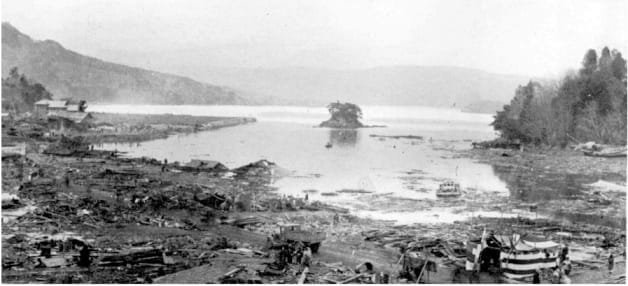
The tsunami’s onslaught was merciless. Local eyewitnesses described the terrifying scene: the sea first withdrawing hundreds of meters, exposing the seabed, fish, and coral abruptly, then roaring back like a monstrous wall of water.
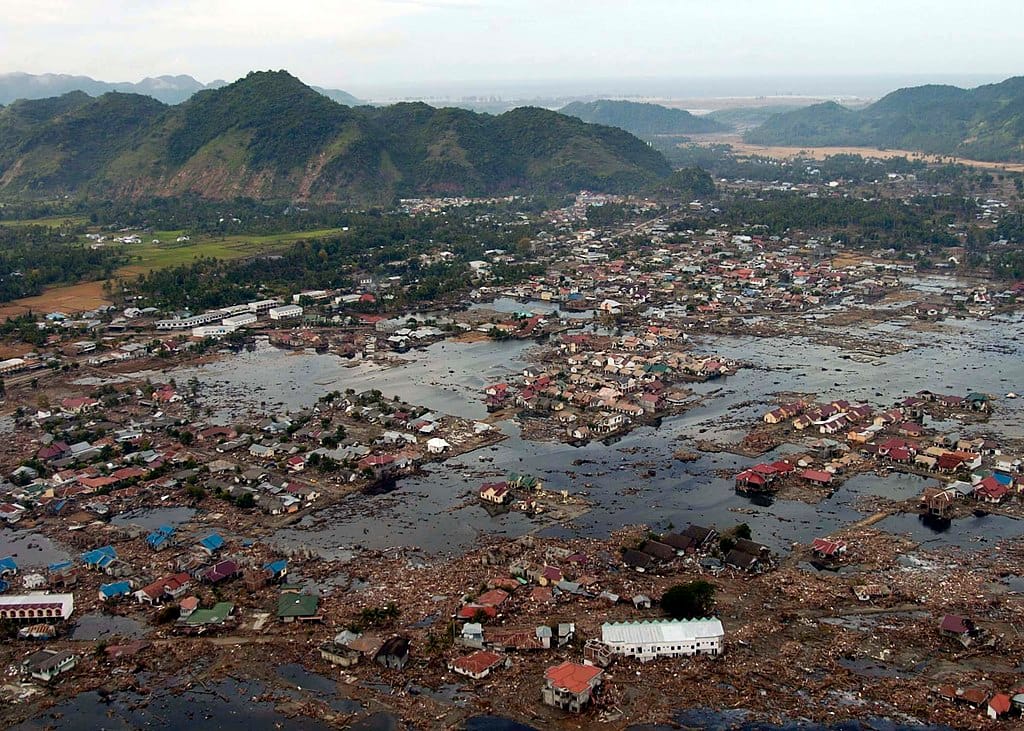
Homes were swept off foundations, markets and streets transformed into waterlogged wastelands, and dozens of vehicles were tossed like toys. Panic spread rapidly, as families sought higher ground and emergency responders scrambled to find safe zones.
The death toll was staggering—official estimates reported nearly 700 lives lost, with thousands missing or injured. Entire communities were displaced overnight. The scale of destruction was compounded by the lack of an effective tsunami warning system in the region, leaving many defenseless against nature’s sudden fury.
Human Responses Amid the Rising Waters
In the grips of chaos, human resilience shone through. Local fishermen, often the first to sense changes in the sea, shouted warnings, and despite their own shock and losses, helped pull survivors from the water. Villagers climbed trees and rooftops to escape the surging waves.
Paramedics, local police, and volunteers formed impulsive rescue teams. Makeshift first aid tents were erected amid the wreckage. Despite disrupted communications and infrastructure, the community’s collective effort kept many alive.
Not all responded blindly, though. Some elders who had experienced waves before remembered these natural signs and advised emergency evacuation quickly. Yet the short time span and intensity of the tsunami overwhelmed many.
The Geography of Destruction: Why Pangandaran Suffered So Much
Pangandaran’s unique geography amplified the tsunami’s impact. Nestled in a bay with shallow coastal plains, it offered little natural protection. The combination of sandy beaches and mangrove deforestation exacerbated flooding and erosion, while the semi-enclosed gulf caused wave reflections and amplifications.
Moreover, dense population clusters along the coast meant that the highest casualties occurred precisely where the waves made landfall with maximum force. The region’s infrastructure—mostly wooden homes and low buildings—did not withstand the flooding. Roads and bridges essential for escape routes were instantly damaged.
Stories from the Survivors: Voices from the Rubble
Among the wreckage emerged heart-wrenching stories of survival, loss, and hope.
One survivor, Sari, a mother of three, recalled how she grabbed her children and sprinted toward a nearby hill as the water receded. “The sea was swallowing everything. I thought it was the end.” She miraculously survived, but many of her neighbors did not.
Another tale came from a fisherman, Agus, who managed to secure his boat just before the tsunami struck. “I heard the sound of the sea going away — strange and scary. I knew something bad was coming.” His quick action saved his family and others nearby.
These narratives humanized the disaster, reminding the world that behind the statistics lay thousands of individual lives forever altered.
Rescue and Relief: The Mobilization of Aid
News of the tsunami’s devastation spread quickly across Indonesia and internationally. The government dispatched military and civil emergency units to Pangandaran. Medical teams were rushed in, field hospitals set up, and relief supplies distributed.
International organizations such as the Red Cross, UNICEF, and Médecins Sans Frontières joined local agencies in providing food, clean water, and temporary shelter. Logistical challenges due to damaged roads and communications slowed some efforts, but coordination gradually improved.
Donations flooded in from around the world, underscoring the global resonance of this tragedy, and echoing still recent memories of the catastrophic 2004 Indian Ocean tsunami.
Indonesia’s National Mourning and International Solidarity
The citizens of Indonesia mourned deeply. National flags flew at half-mast, memorials grew spontaneously, and prayers were held in mosques and churches alike.
President Susilo Bambang Yudhoyono called for unity and swift reconstruction efforts, recognizing Pangandaran as a symbol of national vulnerability yet also of determined spirit.
Internationally, the tsunami added urgency to global conversations on disaster preparedness and coastal resilience. Countries with tsunami detection systems pointed to the need for expanding networks in highly prone areas like Java.
The Aftermath: The Environmental Toll on Java’s Coast
Beyond human loss, the tsunami wrought severe damage to the coastal environment. Mangrove forests, vital for shoreline protection and fish breeding, were uprooted or buried. Coral reefs suffered physical trauma and sediment overload.
Saltwater intrusion into freshwater sources affected agriculture and drinking water supplies. Coastal erosion accelerated, altering beach profiles and destabilizing local ecosystems.
Scientists began assessments to understand how these changes might shape environmental recovery and future disaster vulnerabilities.
Lessons Learned: Tsunami Warning Systems and Preparedness
The 2006 Pangandaran tsunami highlighted critical gaps in Indonesia’s tsunami early warning capacity. Unlike the post-2004 scenario where millions were affected, this event showed how even relatively small tsunamis could be devastating without warning.
Consequently, the government and international partners accelerated installation of seismographic and sea-level monitoring networks. Community education programs were launched to teach signs of tsunamis and encourage evacuation behavior.
These efforts, while improving preparedness, remain ongoing challenges for one of the world’s most seismically active nations.
Cultural and Economic Impacts on a Once-Thriving Fishing Town
Pangandaran had long thrived on fishing, ecotourism, and agriculture. The tsunami disrupted livelihoods by destroying boats, markets, rice paddies, and tourist infrastructure. Economic losses were estimated in the tens of millions of dollars.
Women’s cooperatives and fishermen’s unions were particularly hard hit, given their central role in community life and local commerce.
However, the disaster also sparked innovation: some locals began small-scale tourism redevelopment focusing on memorial sites to honor victims, while others sought alternative sustainable fishing techniques adapting to post-tsunami realities.
The Silent Heroes: Volunteers, Fishermen, and Local Leaders
While official agencies gained headlines, many unsung heroes emerged from the disaster’s shadow. Volunteers from neighboring villages, fishermen braving dangerous waters to rescue others, and local leaders orchestrating relief efforts played crucial roles.
Their intimate knowledge of the land and sea proved invaluable, and grassroots networks ensured vital communication where infrastructure failed.
Community resilience became a key narrative in rebuilding not only structures but the social fabric devastated by the tsunami.
Rebuilding a Community: From Ruin to Resilience
Reconstruction in Pangandaran took years. The government, NGOs, and international donors collaborated to rebuild homes, repair roads, restore fisheries, and revitalize schools.
Urban planning incorporated safer building codes and relocation of the most vulnerable houses farther inland. Mangrove restoration projects aimed to create natural buffers against future waves.
Today, Pangandaran stands as a testament to human endurance, a community scarred but determined, embracing lessons learned while honoring those lost.
The Broader Geological Picture: Java and the Pacific "Ring of Fire"
Java’s vulnerability to tsunamis is a product of its position along one of the Earth’s most volatile geological zones. The “Ring of Fire” encompasses chains of volcanoes and fault lines circling the Pacific Ocean, responsible for 90% of the world’s earthquakes.
Tectonic activity here is both a blessing and a curse: rich volcanic soil supports dense populations, yet the same forces periodically unleash catastrophic natural disasters.
Understanding this precarious balance is crucial for disaster mitigation and sustainable development in Indonesia and beyond.
Comparing the 2006 Tsunami with the December 2004 Catastrophe
The 2006 Java tsunami occurred less than two years after the infamous 2004 Indian Ocean tsunami that claimed over 230,000 lives across multiple countries. While smaller in scale and death toll, the Pangandaran event was a grim reminder that tsunami risk remained ever-present.
Unlike 2004, which was triggered by a massive 9.1 earthquake off Sumatra, the Java quake was less powerful but struck much closer to the coast, giving residents less time to react.
The two disasters collectively reshaped global understanding and response to tsunamis, fueling improved early warning networks and international cooperation.
Indonesian Government's Role and Criticisms in Disaster Management
Indonesia faced both praise and criticism for its handling of the 2006 tsunami. While rapid deployment of troops and aid was commendable, gaps in early warning systems and preparedness exposed systemic vulnerabilities.
Critics noted delays in communication, insufficient community training, and poor coordination between central and local governments.
These shortcomings sparked policy reforms and the establishment of the national Agency for Meteorology, Climatology, and Geophysics (BMKG) tsunami warning division dedicated to reducing future risks.
Psychological Scars and the Journey to Healing
Beyond physical destruction, survivors carried invisible wounds. Post-traumatic stress disorder, grief, anxiety, and loss of identity permeated communities.
Mental health support was limited, but local NGOs and religious groups provided counseling and comfort.
Slowly, through communal rites, storytelling, and rebuilding trust, psychological healing accompanied physical reconstruction, underscoring the need for holistic disaster response approaches.
Media Coverage: Global Awareness and Its Effects
The Java tsunami received extensive media attention within Indonesia and beyond, albeit overshadowed by other global news events.
Documentaries, news reports, and survivor interviews brought the disaster’s human dimension to audiences worldwide, spurring empathy and donations.
However, some argued that fleeting international media interest underlined the challenges of sustaining long-term attention on less monumental yet still devastating catastrophes.
Ongoing Risks: How Java Prepares for Future Quakes and Tsunamis
Today, Indonesia invests heavily in seismic research, early warning systems, evacuation plans, and public education.
Technological tools such as ocean buoys, coastal sirens, and mobile alerts improve reaction times. Schools teach children tsunami escape routes and emergency drills.
Yet, challenges remain: dense populations, poverty, and environmental degradation complicate resilience building.
The legacy of the 2006 tsunami fuels ongoing vigilance as Java braces for the inevitable next quake.
The Legacy of 17 July 2006: Memory, Monuments, and Education
In Pangandaran and beyond, memorials honor those lost, serving as sites of remembrance and education.
Anniversary events unite survivors and officials to reflect on sacrifices and progress.
School curricula now incorporate tsunami science and preparedness, transforming tragedy into a catalyst for awareness and prevention.
Such efforts seek to ensure that history’s painful lessons endure to safeguard future generations.
Conclusion: The Endurance of the Human Spirit Amid Natural Fury
The Java Pangandaran tsunami of July 17, 2006, stands as a stark reminder of nature’s immense power and unpredictability. Yet, it also illuminates the indomitable resilience and compassion of humanity in the face of overwhelming adversity.
From shattered homes rose reconstructed communities; from grief blossomed empathy and solidarity; from devastation emerged vital lessons in preparedness and survival.
As the waves of that fateful day continue to echo through history, they remind us that amid the forces beyond our control, it is the collective human spirit that endures and ultimately triumphs.
FAQs: Understanding the Java Pangandaran Tsunami
Q1: What caused the 2006 Java Pangandaran tsunami?
A1: The tsunami was triggered by a 7.7 magnitude megathrust earthquake caused by the subduction of the Indo-Australian plate beneath the Eurasian plate along the Sunda Trench off the southern coast of Java.
Q2: How many people were affected by the tsunami?
A2: Official reports estimate around 700 deaths with thousands more injured or displaced, significantly impacting the coastal communities of Pangandaran and surrounding regions.
Q3: Why was the tsunami so destructive in Pangandaran?
A3: Pangandaran’s geographic position in a semi-enclosed bay with shallow coastal plains amplified the tsunami’s effects, combined with deforestation and population density in vulnerable areas.
Q4: How did emergency services respond to the disaster?
A4: Local authorities, military units, NGOs, and international aid agencies mobilized quickly, providing rescue, medical care, and relief supplies despite initial logistical challenges.
Q5: What changes were made after the tsunami to improve safety?
A5: Indonesia improved its tsunami early warning system, enhanced public education on disaster preparedness, strengthened building codes, and restored natural coastal buffers like mangroves.
Q6: How does this tsunami compare with the one in 2004?
A6: The 2004 tsunami was vastly larger in scale and impact, triggered by a stronger earthquake off Sumatra; however, the 2006 event was closer to shore, offering little warning time, making it deadly locally.
Q7: Have psychological effects on survivors been addressed?
A7: Mental health support has increased through NGOs and community efforts, though resources remain limited, emphasizing the need for holistic disaster recovery.
Q8: What is the current risk of future tsunamis in Java?
A8: High. Java remains seismically active, and ongoing efforts focus on monitoring, public readiness, and infrastructure resilience to mitigate future disasters.